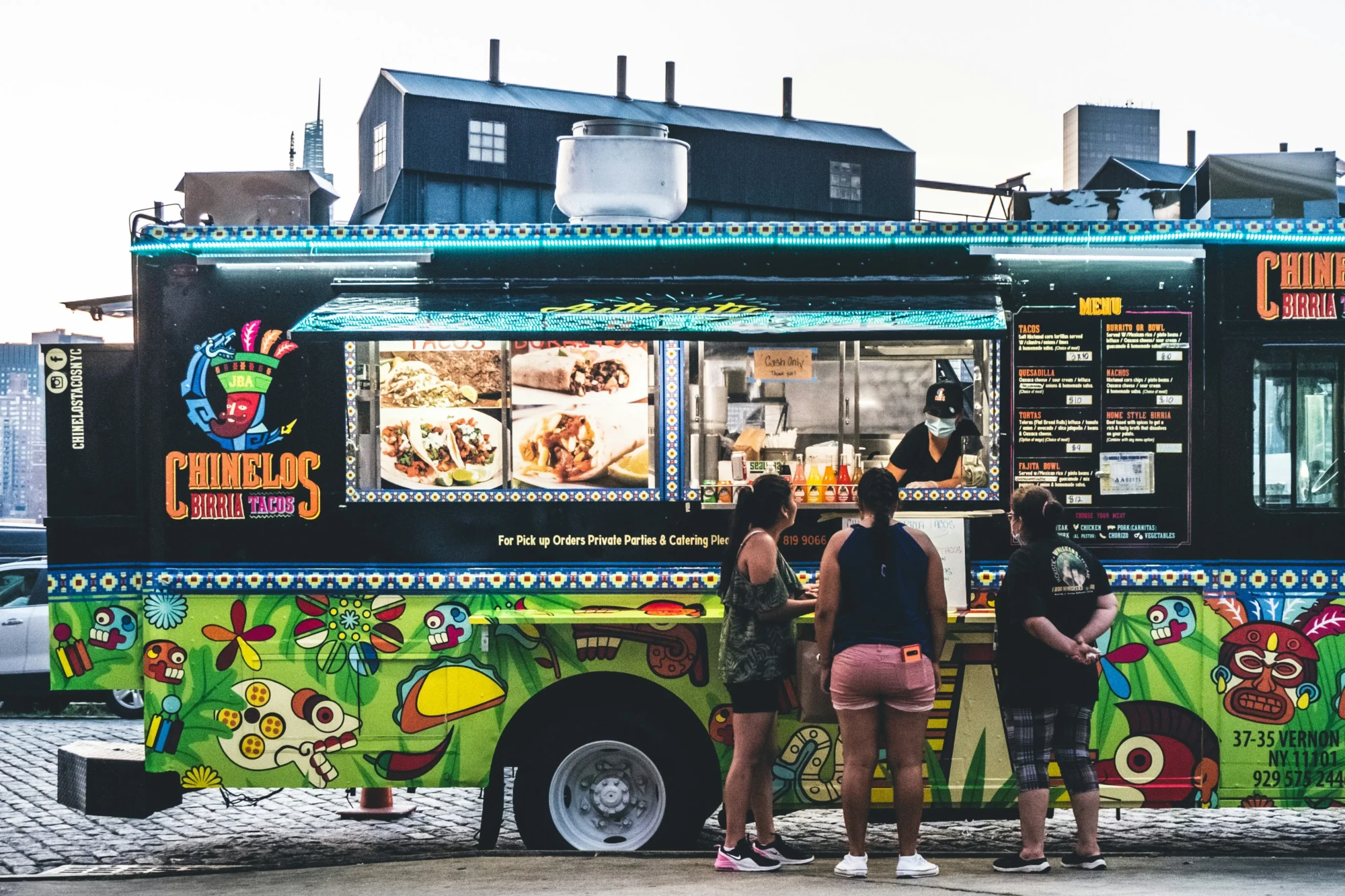
If you’ve started researching how to launch a food truck, you’ve already hit the commissary question. Maybe a Reddit thread had operators debating how to get around the requirement. Maybe your local health department said you need one before you can even apply for a permit. Or maybe you’re not sure what the rules are in your state and hoping you can design your way out of it.
Here’s what most of those conversations miss: a commissary kitchen isn’t just a regulatory checkbox. For a new food truck operator, the right commissary relationship can be one of the best early investments you make. This post covers how commissaries actually work, what to look for in a good one, and how to show up as a partner worth working with.
If you’re on the operator side and thinking about opening one, here’s how to start a commissary kitchen.
Do Food Trucks Actually Need a Commissary Kitchen?
The short answer: it depends on your state and county, but in most places, yes.
Regulations vary significantly. In California, listing a commissary is required to obtain a food truck permit — full stop. In Washington state, requirements are strict and enforced. In Ohio and parts of the South, a fully self-contained truck with the right equipment may qualify without one. Some states use the term “home base” instead of commissary, but the function is the same.
Your best first move is to contact your local health department directly and ask what’s required for a mobile food establishment permit in your county. Don’t rely on what worked for someone in a different state. Regulations are local and they change.
That said, even where a self-contained truck is technically possible, many experienced operators maintain a commissary relationship anyway. Once you understand what a good commissary actually provides, it’s easy to see why.
What a Commissary Kitchen Actually Does for Your Food Truck
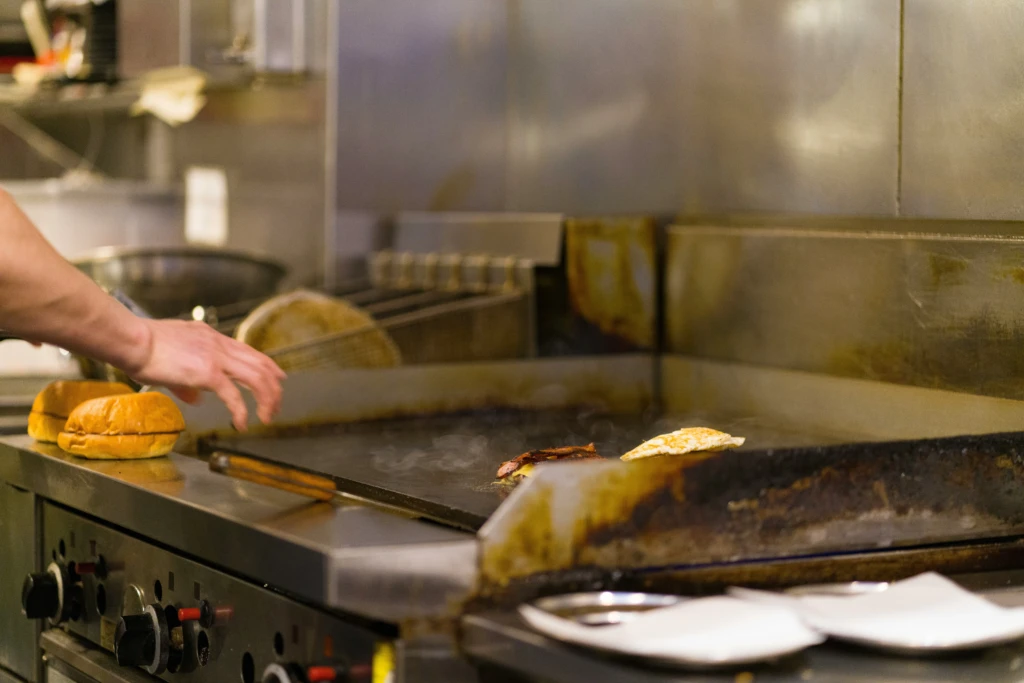
The basics: a food truck commissary gives you a licensed commercial space to fill your fresh water tank, dump gray water, handle grease disposal, wash dishes, deep clean your truck, and store food when you’re not operating.
These aren’t glamorous functions, but they matter when you’re running a real business. Think about what happens without reliable infrastructure — your water tank is low mid-service, your next permitted fill point is twenty minutes away, or your county inspector asks where you’re disposing of wastewater. These aren’t hypotheticals. They’re the kinds of problems that derail operators who tried to engineer around the commissary requirement and found the edges.
But the operational basics are just the floor. A good commissary operator provides a lot more:
Regulatory knowledge you can’t Google. An experienced commissary operator has been through your county’s health inspection process dozens of times. They know what inspectors look for, what documentation to keep current, and how to help you prepare before an inspection — not scramble after a failed one.
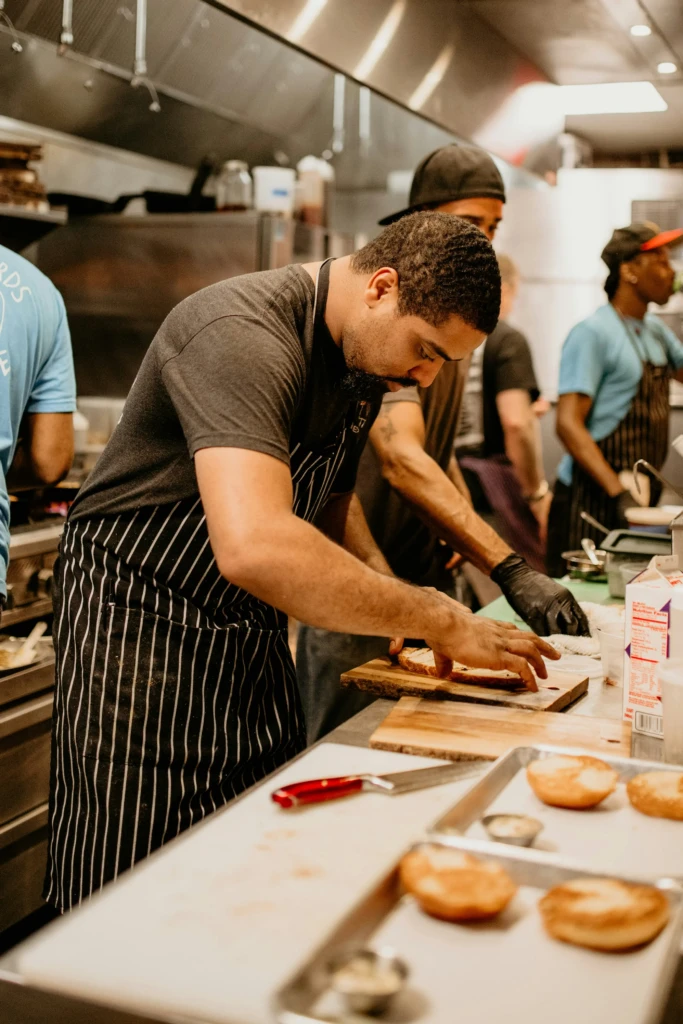
Equipment access. Depending on the facility, your commissary may give you access to walk-in coolers and freezers for overflow storage, prep equipment like commercial mixers or slicers, and a full three-compartment sink for proper dishwashing. This matters in your first year when capital is tight and volume is still unpredictable.
A professional home base. Having a legitimate commissary on your permit signals to event organizers, farmers markets, and catering buyers that you’re a serious, inspected, insured operation. It’s a credibility marker in contexts where it counts.
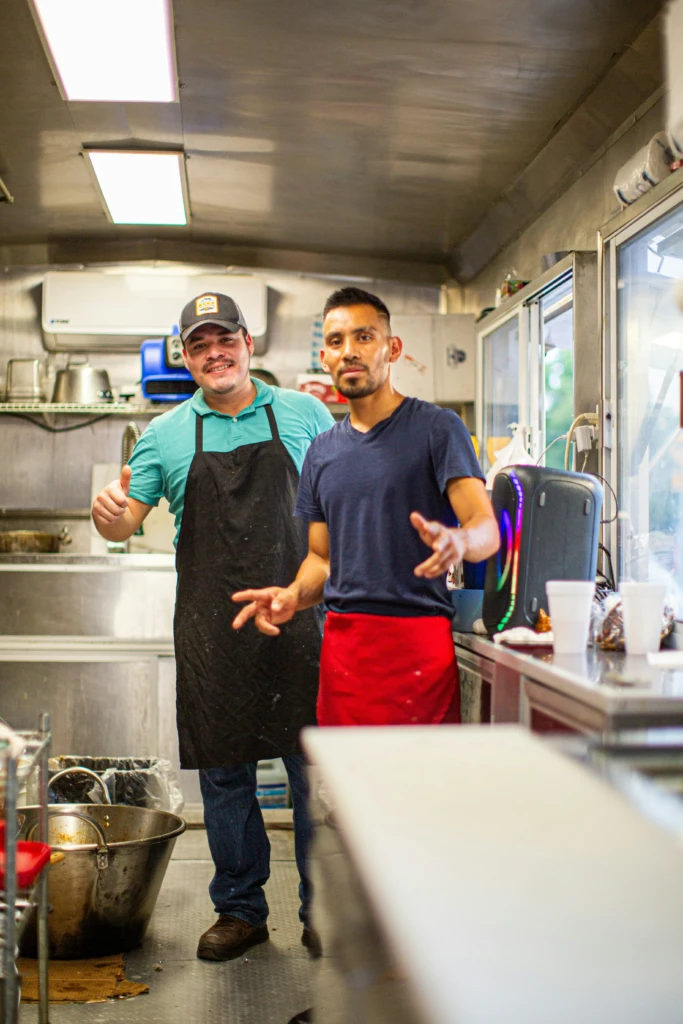
Community and network. This is the piece that surprises most new operators. When you share a facility with other food entrepreneurs — other food trucks, caterers, cottage food businesses, pop-up concepts — you end up in an informal economy that has real value. Event leads get passed around. Overflow catering jobs get subcontracted. Supplier relationships get shared. Operators who treat their commissary as a community asset tend to benefit in ways that don’t show up on a spreadsheet.
How to Find the Right Commissary Kitchen for Your Food Truck
Not all commissaries are equal, and the difference between a transactional facility and a genuinely supportive operator matters — especially when you’re new.
Start your search on The Kitchen Door, a free national directory of shared commercial kitchens and commissary spaces. Search by location, filter by type, and browse options across your metro area or region. It’s the most comprehensive tool available for finding licensed facilities that are actively open to food entrepreneurs.
When you’re evaluating options, ask about:
- Hours and access. Food trucks operate early mornings, late nights, and weekends. Make sure the facility’s hours actually fit your schedule.
- Services included. Get specific on what’s in your membership or rental agreement — water fill and dump, grease disposal, cold storage, dishwashing, trash. Clarify what’s included versus add-on.
- Health department approval. Confirm the facility is licensed and in good standing, and can be listed as your commissary on your permit application. Not every commercial kitchen is set up for this.
- Not sure what to look for? Here’s what licensed shared kitchens typically need to have in place.“
- Experience with food trucks specifically. A commissary that primarily serves caterers may not have the infrastructure or flexibility a mobile operator needs. Ask whether they currently work with food trucks and what that looks like.
- The operator’s engagement level. Is this a place that hands you a key and sends an invoice, or one where the operator is genuinely invested in your success? Look for signs — educational programming, connections to local permitting, treating questions as welcome rather than burdensome.
How to Show Up as a Good Partner
The relationship works both ways. Commissary operators are running businesses too, and the food truck operators who get the most out of these relationships treat them accordingly.
Come prepared. Know your menu, anticipated schedule, volume estimates, and what specific services you need. Clarity makes it easier for the operator to tell you what they can offer.
Be honest about where you are. If you’re pre-permit and still figuring things out, say so. A good operator will help you understand what you need to get compliant.
Respect the shared space. Leave it clean, honor your scheduled time, and communicate when plans change. These are the basics of being a good facility member — and they matter for everyone who uses the space.
Ask questions. The best commissary operators are a genuine resource. They’ve seen operators succeed and fail, and they often have institutional knowledge about local regulations, supplier relationships, and operational strategies you won’t find anywhere else.
The Bottom Line
Food truck operators who build durable businesses tend to be the ones who invest in legitimate infrastructure early and build good relationships with the people around them. A commissary kitchen isn’t a foe or a racket — it’s a foundation.
Find one that treats you like a partner, show up the same way, and you’ll have one less thing to worry about when the health inspector shows up.
Start your search at The Kitchen Door and find a commissary kitchen or shared kitchen space near you.
The Food Corridor builds software for shared commercial kitchen operators across North America. The Kitchen Door is our free directory connecting food entrepreneurs with licensed kitchen space.