Starting a food business is one of the most exciting—and intimidating—things an entrepreneur can do. And once you get the ball rolling, your to-do list can pile up fast.
You have food to make. Orders to fulfill. A business to grow. But what if you don’t have a licensed kitchen to do it in?
For thousands of food entrepreneurs across the U.S., searching for the right “commercial kitchen rental near me” is the moment when an idea becomes a real business. And increasingly, they’re finding that shared-use kitchens, commissary kitchens, and kitchen incubators offer far more than just space.
The Food Corridor recently gathered feedback from kitchen members nationwide about what they value most about their kitchens. Their answers reveal why commissary kitchens, kitchen incubators, and shared kitchen incubators have become essential infrastructure for today’s food economy.
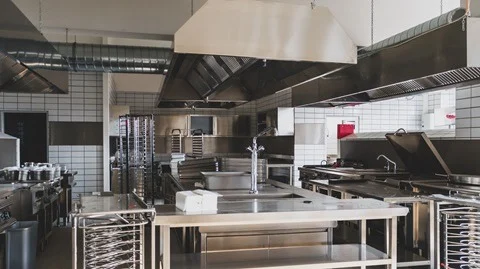
1. Professional Equipment Without the $100K Build-Out
How commissary and shared-use kitchens give food businesses access to licensed commercial space
In the survey, food businesses shared their top needs:
“Having access to equipment and storage that allows us to optimize our efficiency.”
“A safe, clean, certified environment to produce quality foods.”
Most food entrepreneurs don’t fail because their food isn’t good. They struggle because they can’t access a licensed, affordable place to make it.
Health departments require certified spaces, commercial-grade equipment, and proper sanitation—things that make home kitchens and pop-ups unsustainable.
Shared kitchens and commissary kitchens near me remove that barrier by providing fully equipped, inspected spaces that are ready to use.
Instead of investing huge amounts of capital, entrepreneurs can walk into a professional kitchen and start producing immediately.

2. Low Overhead That Lets You Start (and Survive)
Why commercial kitchen rentals and kitchen incubators cost less than building your own kitchen
Traditional food businesses require massive upfront costs—leases, build-outs, and equipment purchases that can sink a company before the first sale is made.
Shared kitchens, kitchen incubators, and food incubators flip that model. Members pay only for the time and space they use, which keeps overhead low and risk manageable.
In the survey, food businesses cited shared kitchens as a way to minimize up front costs:
“Getting our business off the ground without a ton of money to invest in a kitchen space.”
“No massive overhead or commitment.”
This is why so many founders begin their journey inside a food business incubator or kitchen incubator program—it gives them room to experiment, refine, and grow without financial pressure crushing them.
3. Built for Growth, Not Just Survival
How shared-use kitchens and kitchen incubators help food businesses scale
A good commercial kitchen rental should do more than give you a place to cook—it should help you scale.
Shared kitchens and shared kitchen incubators are designed to support growth, whether that means producing more volume, fulfilling wholesale orders, or hosting customer pickups.
In the survey, food businesses cited shared kitchens as a way to up their game:
“Being able to scale up and complete larger orders has been a tremendous help.”
“Having an address for customers to pick up orders helps my presentation as a small business.”
That professional presence turns side hustles into real brands and unlocks new revenue opportunities.

4. Community That Accelerates Success
Why community matters inside a shared kitchen or food business incubator
Food entrepreneurship can be isolating, especially when you’re doing everything yourself.
Kitchen incubators and shared kitchens create built-in communities of founders who are navigating the same challenges: recipes, regulations, pricing, and scaling.
In the survey, food businesses said community was a top benefit of renting shared kitchen space:
“The people in the space. We share information and help each other succeed.”
“Not feeling alone and having other members to collaborate with.”
This peer network becomes one of the most powerful advantages of a food incubator—often leading to partnerships, referrals, and long-term friendships.
5. Compliance Without the Confusion
How commissary kitchens and kitchen incubator programs simplify food safety and regulations
Understanding food safety rules and health department requirements can be overwhelming, especially when you’re new.
That’s why so many entrepreneurs choose commissary kitchens and established kitchen incubator programs—these spaces are already inspected, permitted, and designed to meet regulatory standards.
In the survey, food entrepreneurs said switching from cooking at home to cooking in shared kitchens equals:
“Always getting the updated rules and regulations.”
“Peace of mind as a small-scale food producer.”
That peace of mind lets founders focus on selling and scaling instead of worrying about violations or shutdowns.

6. Scheduling That Fits Real Life
How commercial kitchen rentals provide flexible access for food businesses
Food businesses don’t run on 9-to-5 schedules.
Shared kitchens and commercial kitchen rentals provide flexible access, online scheduling, and 24/7 availability so entrepreneurs can produce when it works for them.
In the survey, food businesses said booking time in kitchens was simple:
“The convenient use of the space through online scheduling.”
“The flexibility within the scheduling makes the kitchen accessible all the time.”
This is why more founders choose commercial and shared use kitchen rentals over private leases. It’s built for the realities of food production.
7. Support That Goes Beyond Space
What you get from a kitchen incubator program beyond just kitchen time
The best kitchen incubators don’t just rent rooms—they help businesses grow.
From mentoring to management support, food business incubators give founders access to people who understand what it takes to succeed.
In the survey, food entrepreneurs noted the benefits of educational services offered by shared kitchen operators:
“Mentoring is of great benefit to community kitchen users.”
“The individuals who run our kitchen are supportive and helpful.”
That guidance often makes the difference between struggling and scaling.
8. A Place to Belong
Why food entrepreneurs thrive in shared-use kitchens
Finally, something powerful happens inside shared kitchens: entrepreneurs stop feeling like hobbyists and start feeling like business owners.
In the survey, food businesses mentioned a deeper, often unspoken value of renting from a shared kitchen:
“It has given me peace of mind as a small-scale food producer.”
“We are a family. If you forget something, you can ask your kitchen mates.”
That sense of belonging is what turns a commercial kitchen for rent near me into a launchpad for long-term success.
The Bottom Line
If you’re actively searching for a commissary kitchen near me, a kitchen incubator, or a commercial kitchen rental near me, you’re going to find more than space. You’re going to find a way to make your food business a reality.
Shared kitchens, food incubators, and kitchen incubator programs provide:
- Lower risk
- Faster growth
- Stronger community
- And real business momentum
At The Food Corridor, we’re proud to support these kitchens and the entrepreneurs inside them by making scheduling, billing, and operations simple—so more food businesses can spend less time on logistics and more time building something they love.
Looking for a kitchen in your city? Find the perfect rental space for your food business on The Kitchen Door – ranked #1 on Google for searches like “Find a commercial kitchen near me”.