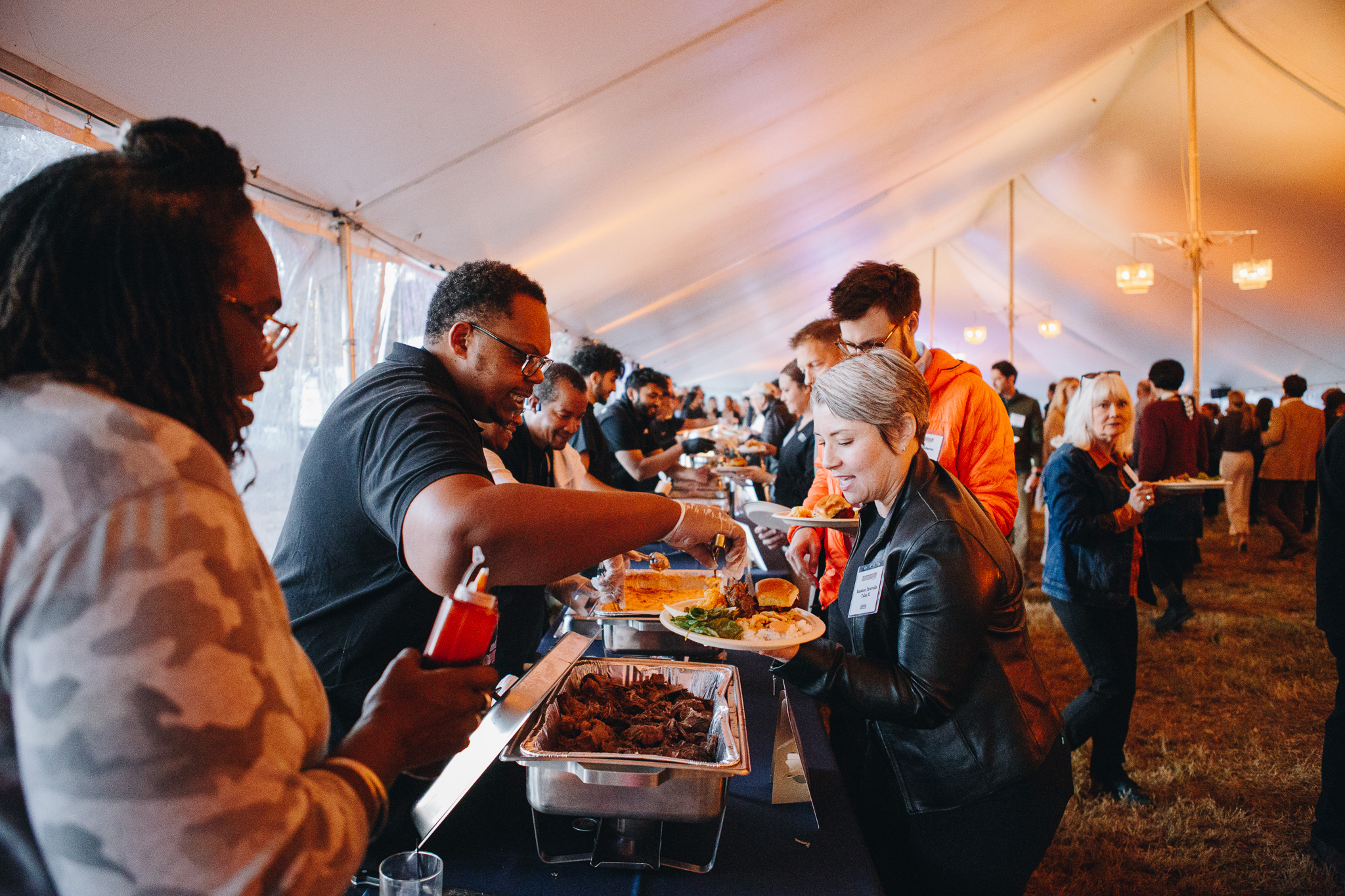
Through Real Good Kitchen, Bailey Foster is giving food entrepreneurs a shot and making sure the places Knoxville grew up on don’t disappear.
Knoxville is growing quickly, and with growth comes the risk of losing the small food businesses and cultural traditions that give a city its personality. Through Real Good Kitchen, Bailey Foster is helping ensure that doesn’t happen.
Her shared kitchen has spent the last several years helping food entrepreneurs launch businesses across the city. Now that vision is expanding even further, reaching beyond the kitchen to help preserve the kinds of places that have long been part of Knoxville’s story. Like Magpies Bakery.
Thirty-Five Years of Birthday Cake
For many families in Knoxville, celebrations have long included a cake from Magpies Bakery.
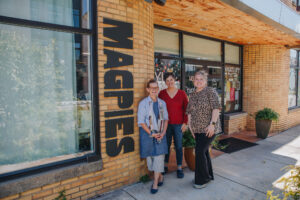
The bakery has been part of the city for more than 35 years, quietly weaving itself into birthdays, holidays, and milestones across generations. It is the kind of place people remember from childhood and return to when they want to celebrate something meaningful.
Bailey Foster knows that feeling personally.
Years ago, long before she ever imagined owning the bakery, she ordered a custom cake from Magpies for her father’s 80th birthday. The cake was beautifully decorated and deeply meaningful to her family, the kind of dessert that becomes part of the memory of the celebration itself.
Today, Bailey is helping carry that tradition forward.
When the opportunity arose to acquire Magpies, she saw more than a business. She saw a chance to continue the legacy of a place that Knoxville families have loved for decades and to protect a small piece of the city’s food culture.
In cities that are changing quickly, places like Magpies matter. Independent bakeries, restaurants, and small food businesses often hold the traditions that give a community its identity.
For Bailey, preserving places like this is closely connected to the work she has been building across Knoxville for years.
That work begins just a few miles away inside a shared commercial kitchen.
Rent the Oven, Keep the Dream
Bailey is the founder of Real Good Kitchen, a shared-use commercial kitchen designed to help food entrepreneurs turn ideas into real businesses.
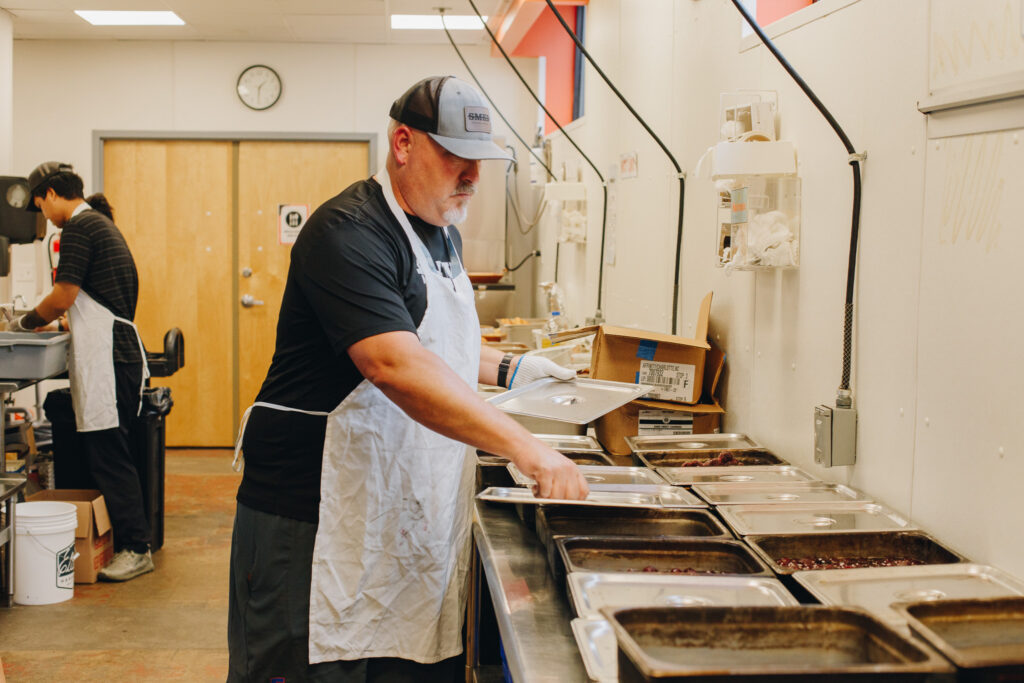
The kitchen provides equipment, workspace, mentorship, and education for people who may have the talent and recipes to build a food business but lack access to commercial kitchen space.
Some arrive with family recipes they have been cooking for years. Others come with entirely new concepts they want to test.
Over time, many of those ideas grow into businesses that expand Knoxville’s food landscape.
From Algeria, Through France, Into Knoxville
The impact of that work becomes clearest when you see what happens after a food business gets its start.
One of the clearest examples is a chef named Tarik, originally from Algeria.
After training in France and working in restaurants around Knoxville, Tarik decided he wanted to introduce North African cuisine to the city, something Knoxville had never really experienced before.
He began developing his concept at Real Good Kitchen, hosting pop-ups at breweries and art shows, and building a following through catering and community events.
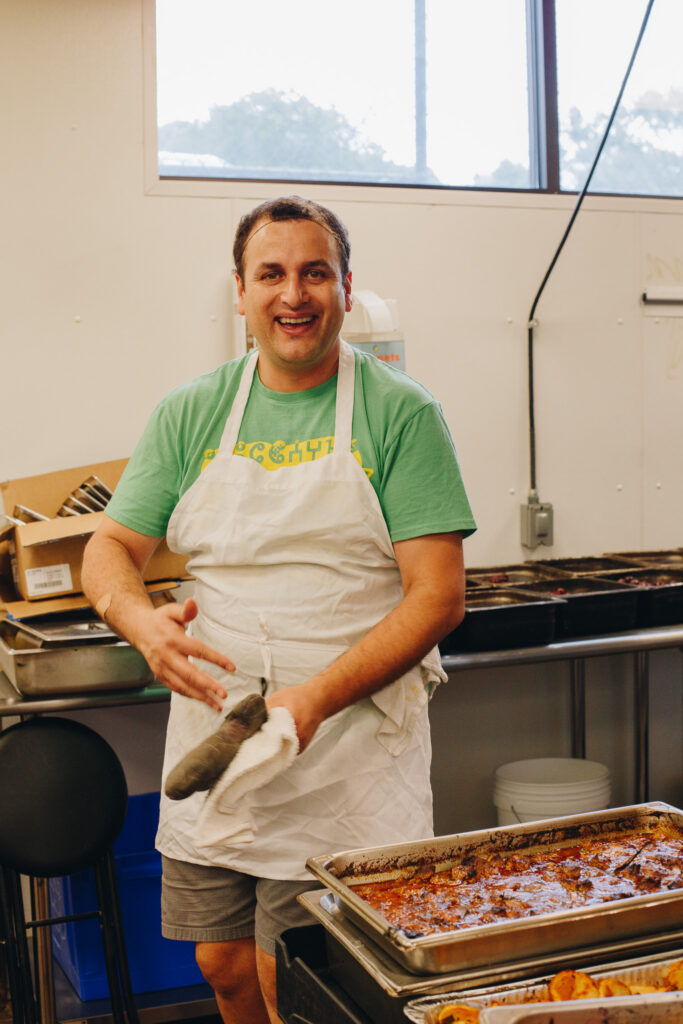
Over the course of about three and a half years, his business steadily grew. Eventually, he opened his own restaurant.
For Bailey, stories like this capture what shared kitchens can make possible. New businesses take root, new cuisines enter the community, and the city’s food culture becomes richer and more diverse.
Part Kitchen, Part Business School
From the beginning, Bailey envisioned Real Good Kitchen as more than a place to rent cooking space.
She wanted it to function as something closer to an entrepreneur center for food businesses. The goal was to give aspiring food makers the resources, mentorship, and connections needed to build sustainable businesses.
That support often includes helping entrepreneurs think through pricing, licensing, marketing, and long-term strategy.
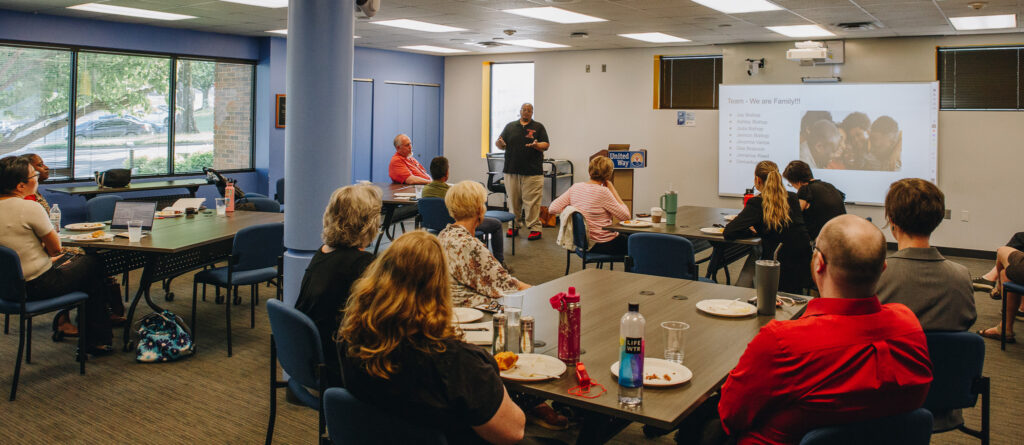
Over time, the kitchen has become a small but important part of Knoxville’s local economy, helping launch businesses that create jobs and contribute to the city’s growing food scene.
She Built a Non-Profit Too
To expand that mission, Bailey also launched the Real Good Kitchen Foundation, a nonprofit partner organization that powers many of the kitchen’s educational programs.
The foundation began offering workshops in 2023 covering topics like marketing, social media, and the fundamentals of running a food business.
One of its core offerings is Food Business Basics, a one-day bootcamp-style course designed to help aspiring entrepreneurs understand the practical steps involved in launching a food business.
In 2024, the organization introduced a more structured incubator program that supports early-stage food businesses through a multi-month learning experience.
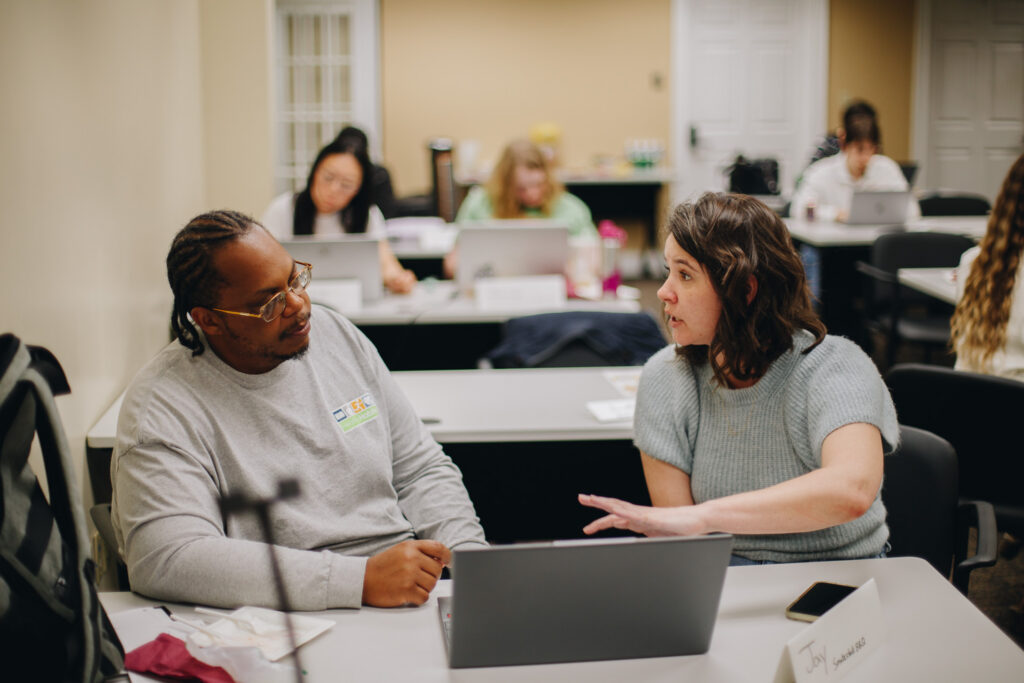
As the incubator program grew, Bailey looked for ways to deepen the curriculum and expand the support available to participants. That search led back to La Cocina, the San Francisco nonprofit whose shared kitchen model first inspired her years earlier. Real Good Kitchen has begun incorporating elements of La Cocina’s long-running curriculum, which draws on more than two decades of experience helping food entrepreneurs launch successful businesses.
Participants receive mentorship, training, and reduced-cost access to the kitchen while they develop their concepts.
In Bailey’s view, even deciding not to pursue a food business can still be a positive outcome.
“If someone realizes through the program that food entrepreneurship isn’t the right path for them,” she says, “that’s still a success. They’ve learned what it takes.”
The Idea That Followed Her Home
The story of Real Good Kitchen began long before the kitchen itself opened.
After graduating from high school in 1990, Bailey spent more than two decades living outside Knoxville, including more than a decade in the San Francisco Bay Area where she worked as a store manager for Trader Joe’s.
While living there, she attended a street food festival hosted by La Cocina. Watching immigrant chefs turn family recipes into thriving businesses through a shared kitchen left a lasting impression.
The idea stayed with her.
When Bailey eventually returned to Knoxville in 2013, she found a city that had changed. Downtown had been revitalized, the farmers market was growing, and the local food and beer scene was beginning to come to life.
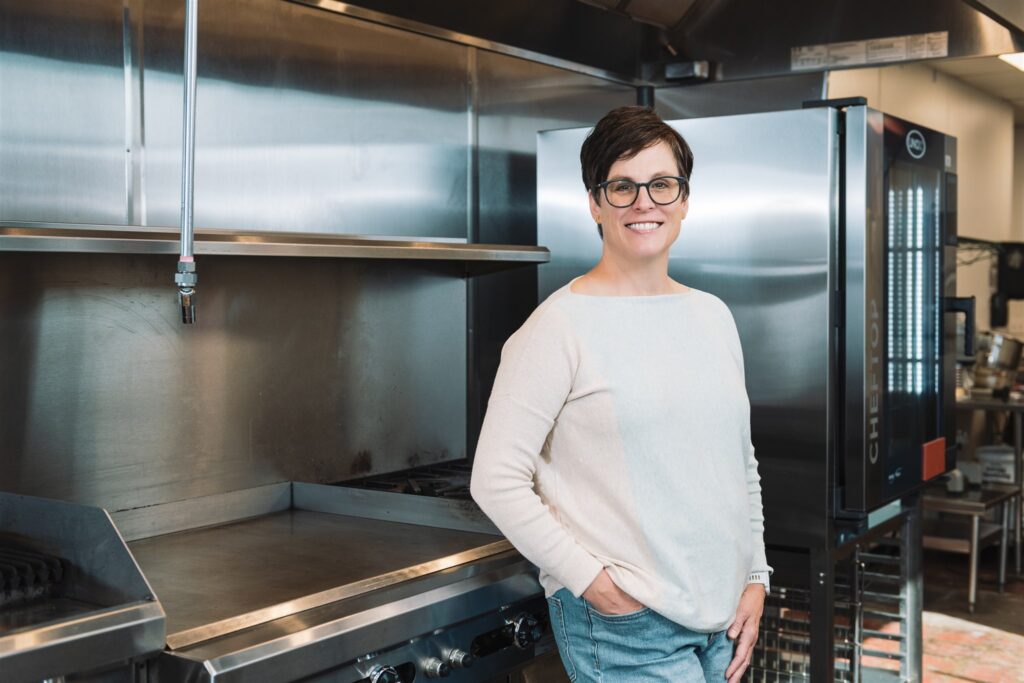
But one question kept coming up: where would the next generation of food entrepreneurs begin?
Four Years of Planning. One Pandemic Opening.
Bailey began researching the shared kitchen model and talking with people throughout Knoxville’s food community. Over the course of about four years, she developed the idea and built the relationships needed to make it real.
Real Good Kitchen officially opened on January 8, 2021, right in the middle of the COVID pandemic.
At first glance, the timing seemed challenging. But in many ways it proved fitting. During lockdowns, many people had rediscovered cooking and baking at home and were beginning to imagine turning those skills into something more.
Real Good Kitchen had members producing food in the space from the very first day.
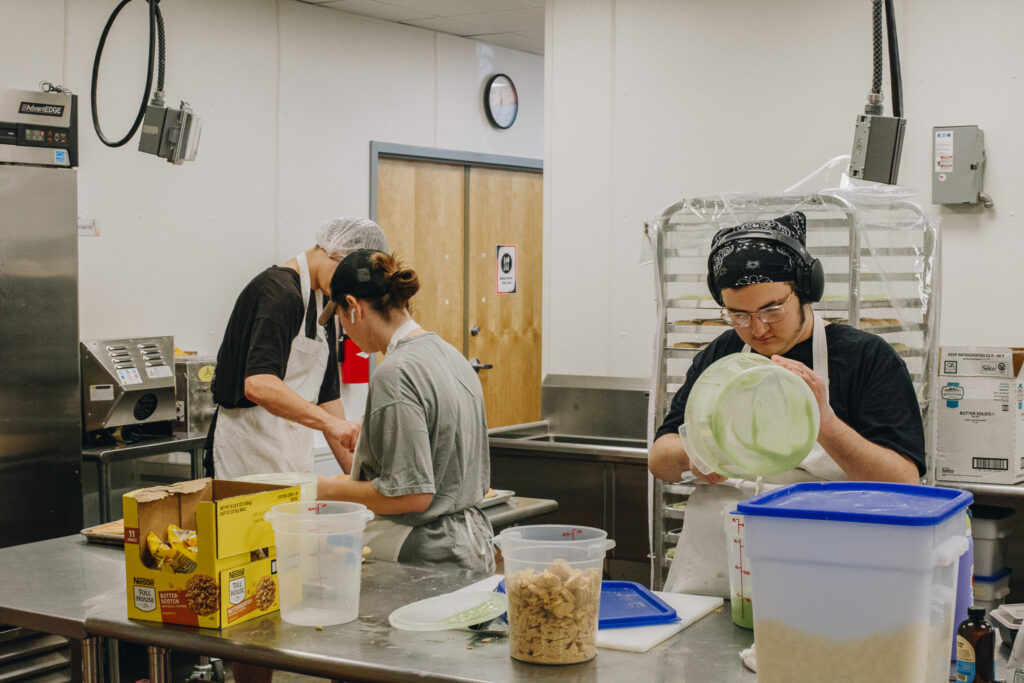
Today, the kitchen has grown into a hub for production, education, and collaboration within Knoxville’s food community.
Built on the Right Foundation
Bailey Foster has been using The Food Corridor since the day Real Good Kitchen opened in January 2021. For a kitchen that was building from scratch, having the right infrastructure in place from the start mattered.
“Food Corridor really has been a good, good partner to us since before we started,” she says.
The platform handles the operational backbone of the kitchen: document tracking, scheduling, billing, and invoicing. But what Bailey values as much as the software is the community that’s grown around it.
“TFC has built an incredible community of shared kitchens that has really grown over the years that we’ve been involved,” she says. “That’s been really cool to see.”
For a kitchen whose entire mission is built around community, it’s a partnership that fits.
It’s All About The CrumBum
For Bailey, the work of supporting food entrepreneurs and preserving places like Magpies are closely connected.
Cities are constantly evolving. New businesses open, new cuisines emerge, and new traditions form.
But the places that people remember, the bakeries and restaurants tied to family celebrations and community traditions, are just as important.
One of Magpies’ most beloved treats captures that spirit perfectly.
When cakes are trimmed to create smooth layers, the leftover pieces are gathered together and sold as a dessert called CrumBum.
It is essentially cake scraps, bits of different cakes packed together into a box, and customers love it.
People regularly tell Bailey the same thing: please don’t ever get rid of CrumBum.
It is playful, nostalgic, and unmistakably local.
Exactly the kind of small detail that makes a city’s food culture feel personal rather than interchangeable.
And for Bailey, protecting places like Magpies while helping new food businesses grow through Real Good Kitchen is exactly the point.