Creating the Container Where Magic Happens
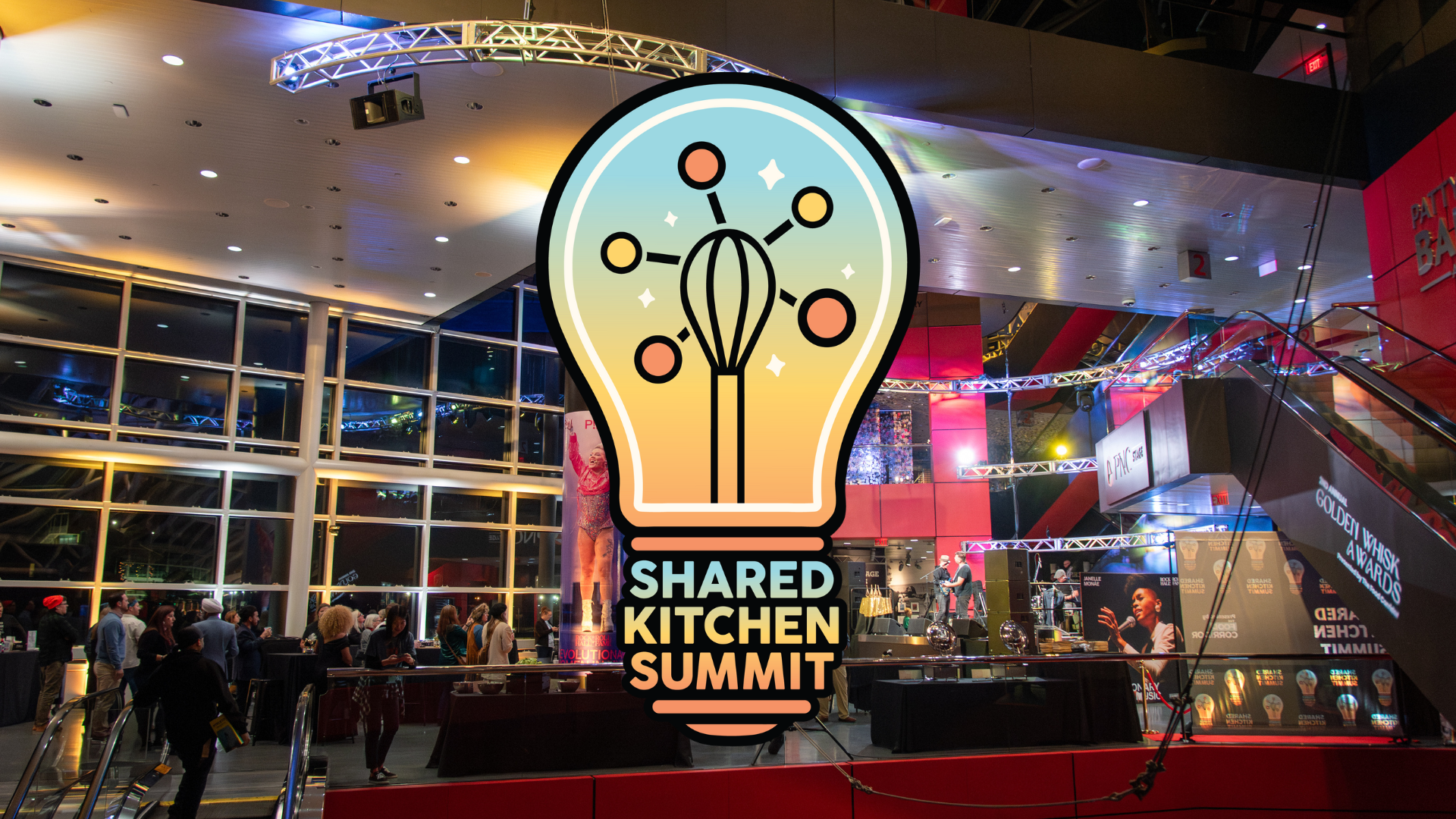
Cleveland was alive with energy, innovation, and community this November as shared kitchen operators, mentors, food entrepreneurs, and industry leaders from across the country came together for the 2025 Shared Kitchen Summit. Hosted by The Food Corridor, this annual gathering has become the beating heart of the shared kitchen industry. It is where operational insight mixes with visionary ideas and where meaningful relationships form and grow.
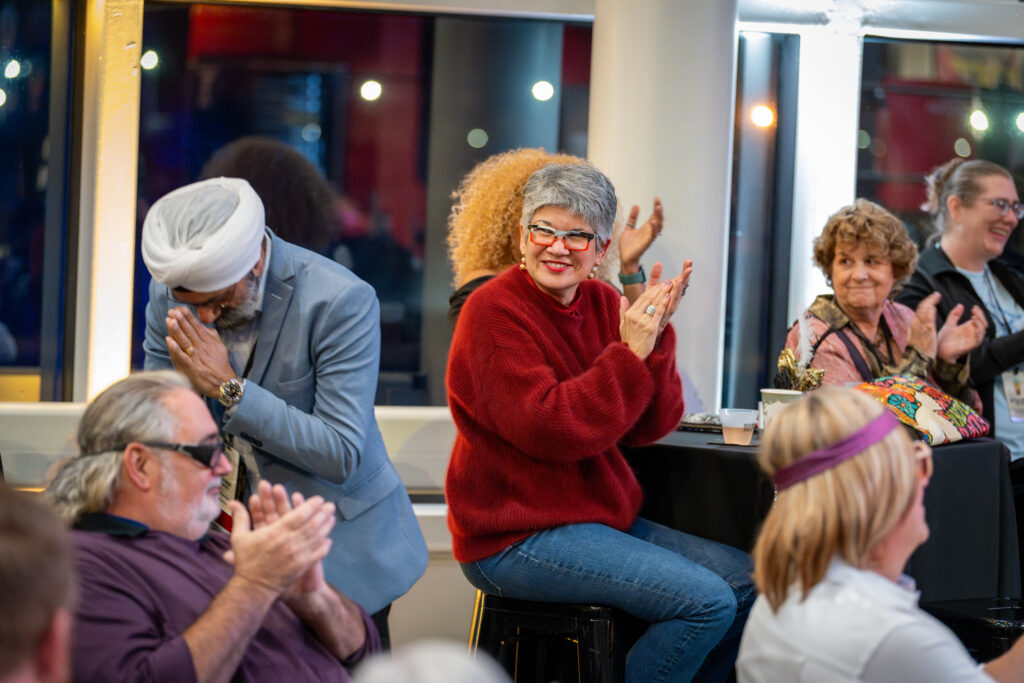
Across three days, attendees engaged in deep conversations, hands-on learning, kitchen tours, live music, shared meals, and memorable celebrations. This year’s theme was Rock and Roll, and it showed up everywhere. From the playlists filled with Rock & Roll Hall of Fame inductees to the awards ceremony inside the Hall itself, the spirit of creativity, grit, and authenticity shaped the entire experience.
That energy was palpable at the Summit.
In the hallways.
In the sessions.
On the tours.
Over shared meals.
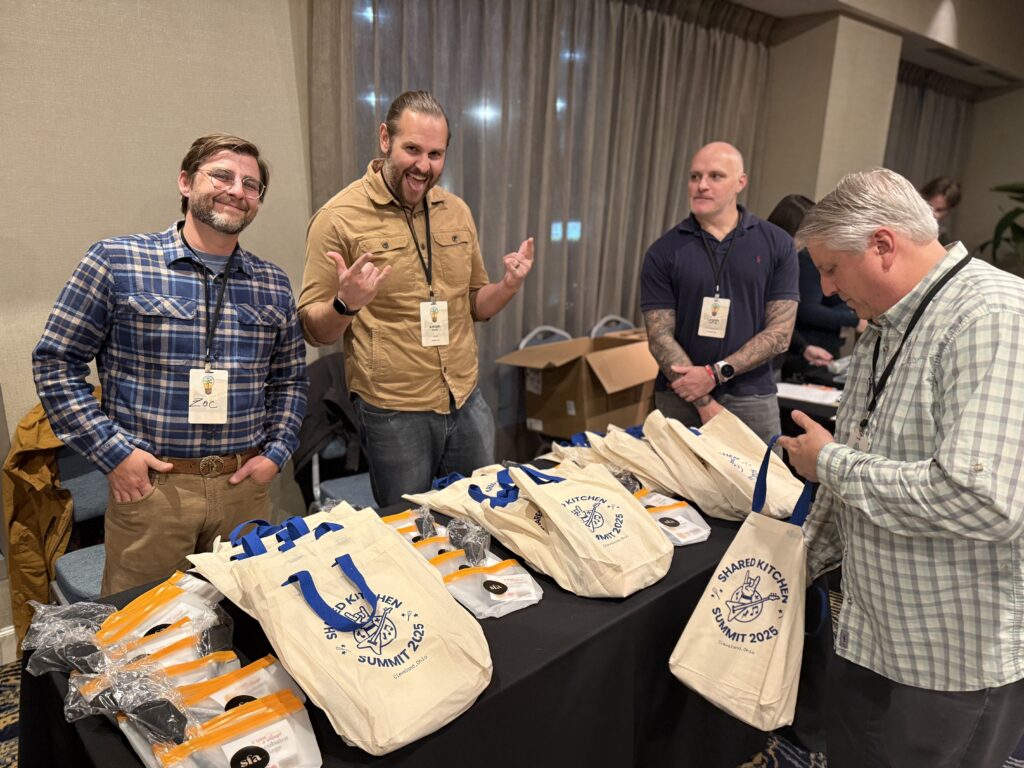
We reminded everyone of something we already know. Shared kitchen operators are the rockstars of local food systems. They power growth, creativity, and connection in every community they touch.
“The 2025 Shared Kitchen Summit was an amazing event for leaders in our industry. Truly inspiring, educational, and motivating. I’m already looking forward to what The Food Corridor has planned for 2026.” — Denise Jones, The Commissary
Celebrating Local Talent at the Makers Market Kickoff
The Summit opened with early registration and our Makers Market, where local producers from Cleveland’s shared kitchens showcased their products. Attendees sampled, chatted, and connected with emerging food brands that represent the future of the region’s food scene. It was the perfect way to start the week because it highlighted the entrepreneurs who make this industry so special.
A few of the food businesses that joined our first market were Anita’s Sweet Treats, Artisan Cured Meats, Christmas Oil LLC, Neicy’s Place, Island Cooking Herbs & Spices, and Food with Purpose. Purchases from all these vendors qualified for our daily prizes for the head of the leaderboard on our Eventee App. Because who doesn’t love food or prizes?
Programming That Informed, Inspired, and Activated
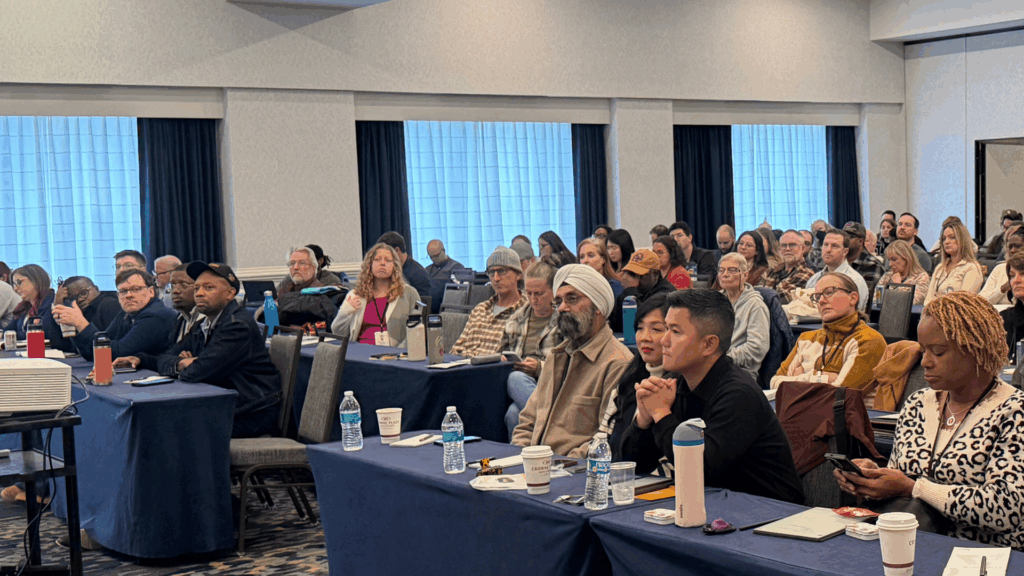
This year’s programming was intentionally designed to meet operators where they are, while also pushing the industry forward. Sessions blended real-world practicality with bigger-picture strategy. Across three days, attendees shared that the content felt helpful, relevant, and energizing. Many said it was our strongest lineup yet.
State of the Industry
Speaker: Ashley Colpaart, Founder & CEO, The Food Corridor
Ashley opened the Summit with a data-rich State of the Industry address that immediately grounded the audience in where the sector is heading. She shared select findings from the 2025 Shared Kitchen Operator Report, which now reflects responses from more than 240 operators across 47 states and several countries.
One of the most powerful insights she revealed is just how much momentum the industry is experiencing. More than 70 percent of kitchens report growing demand for space in their region, while only 4 percent say they are seeing a decline. Kitchens are becoming not only busier but stronger. Seventy-six percent report they are either profitable or breaking even, a marker of stability for a maturing sector.
Ashley also highlighted how small spaces are making a big impact. Most kitchens in the dataset operate in facilities under 5,000 square feet, yet their reach is outsized. She shared one example from the report of a single kitchen that, in one year, supported more than 5,000 entrepreneurs, created more than 3,400 jobs, launched over 140 brick-and-mortar food businesses, converted unused real estate into productive space, and diverted thousands of pounds of food waste. It was a vivid reminder of what can unfold when a shared kitchen takes root in a community.
She also underscored staffing realities. Nearly one-third of kitchens do not have a single full-time staff member, which means operators are juggling everything from maintenance to food safety to programming. Despite that, the sector continues to grow, with most operators planning to expand their services, deepen partnerships, or invest in facility improvements over the next two years.
Ashley also pointed to a wave of federal and regional investment that is beginning to flow into the shared kitchen space, including USDA and Regional Food Business Center funding. Cities and regions are increasingly recognizing shared kitchens as essential infrastructure for entrepreneurship, workforce development, and local food economies.
She closed with a message that set the tone for the rest of the Summit. Shared kitchens are no longer a niche idea. They are a national movement, gaining traction, visibility, and legitimacy. And the operators doing the work every day are building not just businesses, but community assets that strengthen local economies from the ground up.
A Vision for Legacy
Speaker: Natalie Shmulik, JPG Resources
Following Ashley’s address, keynote speaker Natalie Shmulik delivered a talk that landed deeply with the room. She reminded operators that the work of incubation has many lifecycles and that success is often rooted in qualities we overlook or undervalue.
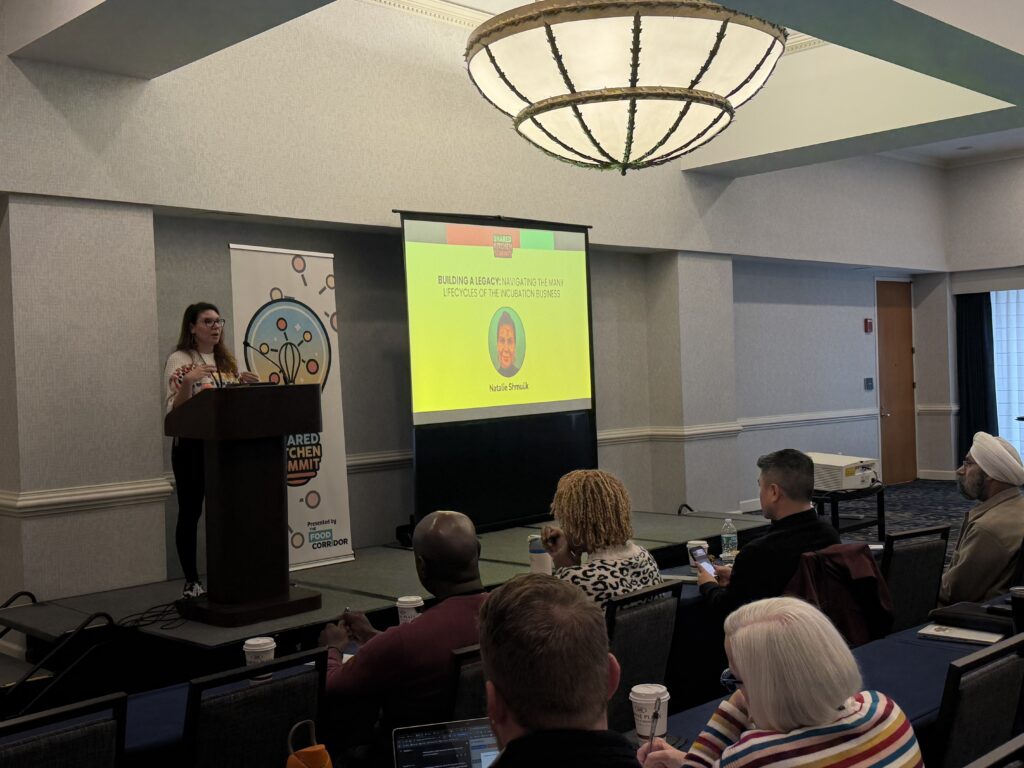
One of her most memorable messages was that naivety can be a gift. It is often the thing that makes us brave enough, or a little crazy enough, to try something that has never been done before. And sometimes that is exactly what leads to real impact.
Natalie also spoke about the power of community and how building strong, authentic relationships creates resilience for both entrepreneurs and the kitchens that support them. Success, she noted, does not happen alone.
She introduced the idea of appetite not just as a food concept but as the driving hunger we all feel at our core. The appetite to create. The appetite to serve. The appetite to build something bigger than ourselves. She encouraged operators to stay connected to that inner hunger and let it guide their decisions.
Finally, she shared a truth that operators know all too well. To run a shared kitchen, you have to be a jack of all trades in order to master one. The job requires constant adaptation and relentless curiosity. Whether it is becoming a Pilates instructor, learning to bake sourdough, troubleshooting a dishwasher, or teaching a ServSafe class, the thread is the same. Never stop learning. Never stop growing.
Her keynote blended wisdom, humor, honesty, and heart. It set an emotional and reflective tone for the days ahead and reminded everyone of why this work matters.
“No matter what your age or experience within the food business, we never stop learning.” — Jim Richards, Sussex County Kitchen
Financing the Future
Speakers: Irwin Mendlessohn, Fulton Commons, and Erik Ibarra, Magnolia Fund
This session helped demystify one of the most intimidating aspects of running a shared kitchen: how to finance it sustainably. Speakers walked through real examples of how operators are weaving together funding streams like USDA grants, mission-driven lending, regional food business center support, impact-focused partnerships, and community fundraising.
Rather than focusing only on technical details, the conversation highlighted the mindset shift needed for successful fundraising: understanding your kitchen as a piece of civic infrastructure and learning to tell your impact story in a way that resonates. Attendees appreciated the realism and clarity, calling the session, “filled with great information and energy that set the tone for the week.”
Breaking Bread by Region: Lunch at Southern Tier Brewing
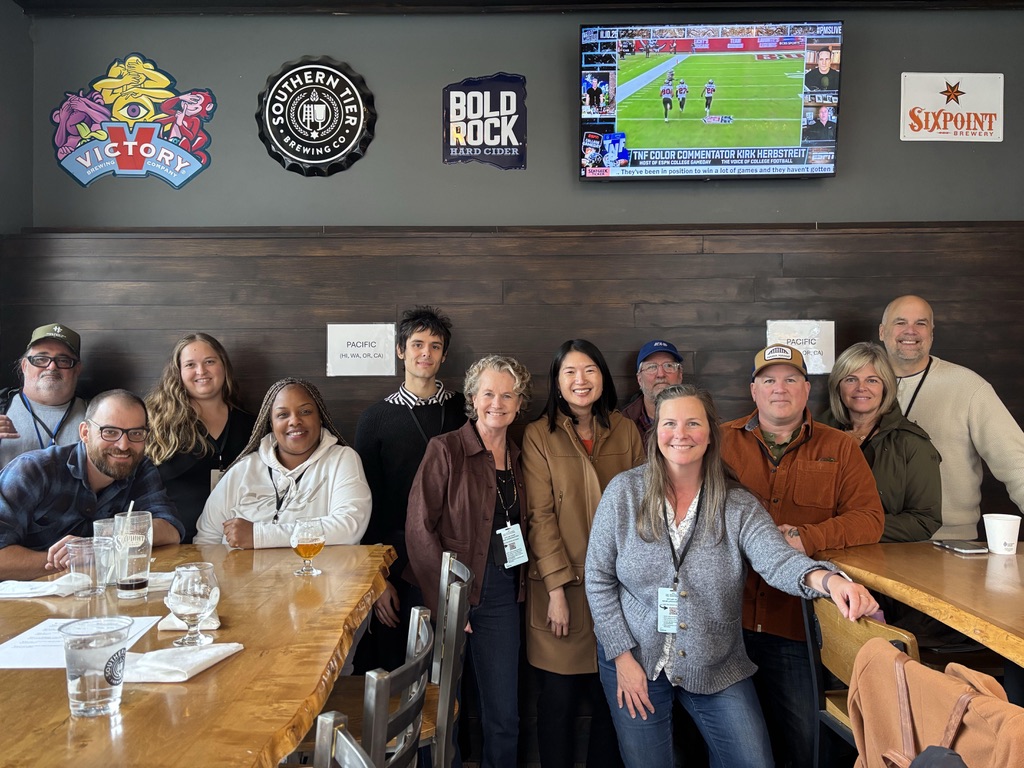
After morning sessions, everyone walked over to Southern Tier Brewing for a lunch designed with intention. Instead of sitting randomly or clustering with friends, attendees were seated by region — Midwest with Midwest, Southeast with Southeast, West Coast with West Coast, and so on. (Shout out to Mid-South (KY, TN, NC) for your grace. We hope you love your Summit t-shirt!)
The simple format turned out to be one of the most well-loved parts of the entire Summit.
Operators who had never met suddenly found themselves deep in conversation about local permitting quirks, weather-related challenges, the joys (and pains) of regional food trends, and the shared realities of running kitchens in similar markets. The energy in the room shifted instantly — from networking to genuine connection.
Attendees told us:
“I enjoyed the offsite lunch at the brewery. The assigned seating by region encouraged us to mingle with people we weren’t already speaking with.”
“I really enjoyed the regional-focused breakout lunch! Coming from a rural area, it helped me relate to others in the same situation.”
“Organizing lunch by region was a great idea! It helped me meet people from my area in a meaningful way.”
For some, it revealed how similar their challenges were.
For others, it sparked ideas for collaborations, visits, or resource-sharing within their geographic area.
And for many, it simply felt grounding — a chance to sit with people who “get it.”
Even the walk to Southern Tier Brewing added to the experience. As one attendee put it:
“Thumbs up! Especially loved having to get outside and walk to lunch. It broke up the day and made the regional connecting even better.”
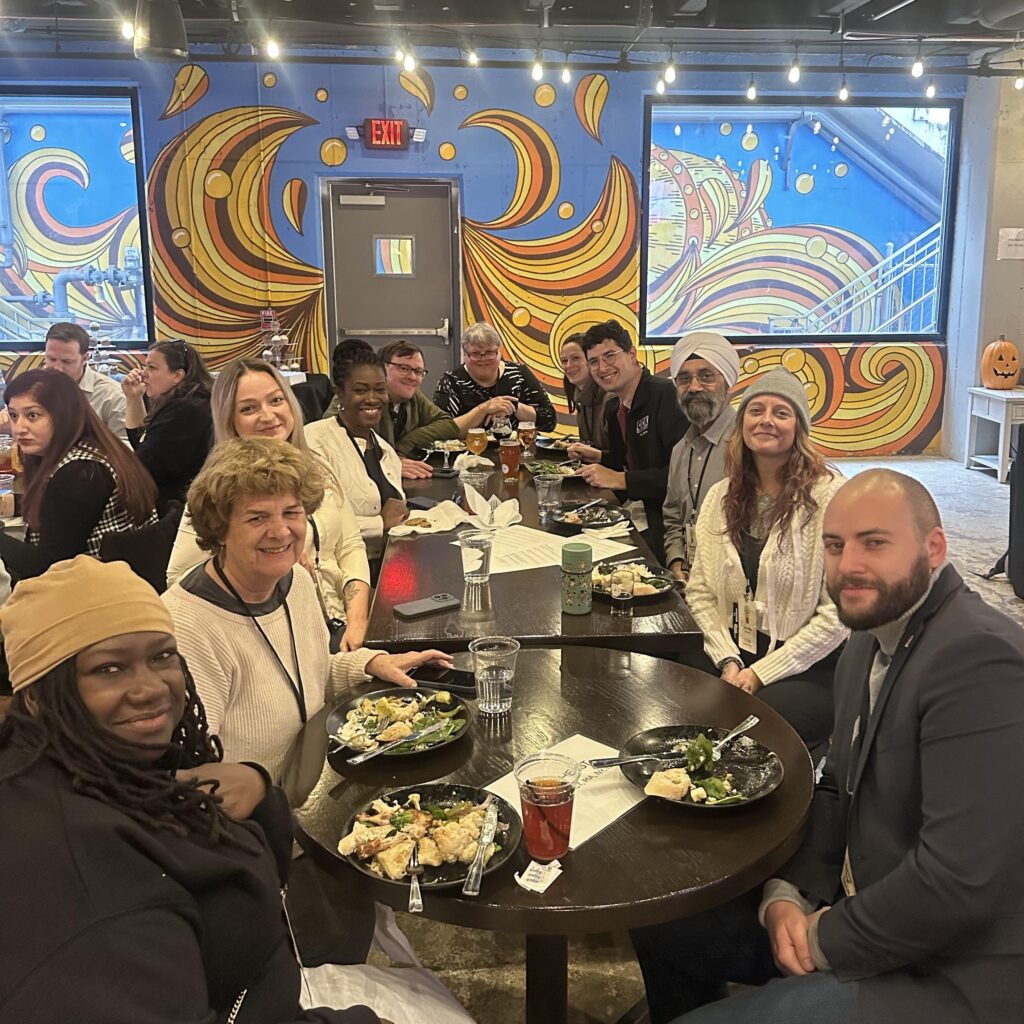
Lunch was delicious, the playlists were very Rock & Roll, and while a few people joked that the music was almost too loud for deep conversation, nearly everyone agreed the buzz made the energy feel fun and alive.
In true shared kitchen fashion, the meal wasn’t just about the food. It was about connection — creating space for operators to find their “people,” compare notes, and build relationships that carry long after the Summit ends.
Back to Business with Breakouts
After lunch, everyone returned to the conference center energized from new regional connections and ready to dive back into learning. With conversations still buzzing from the brewery tables, attendees flowed into the afternoon breakout sessions — bringing fresh insights, new perspectives, and a renewed sense of community into each room. There was plenty of content to choose from, but here are some highlights.
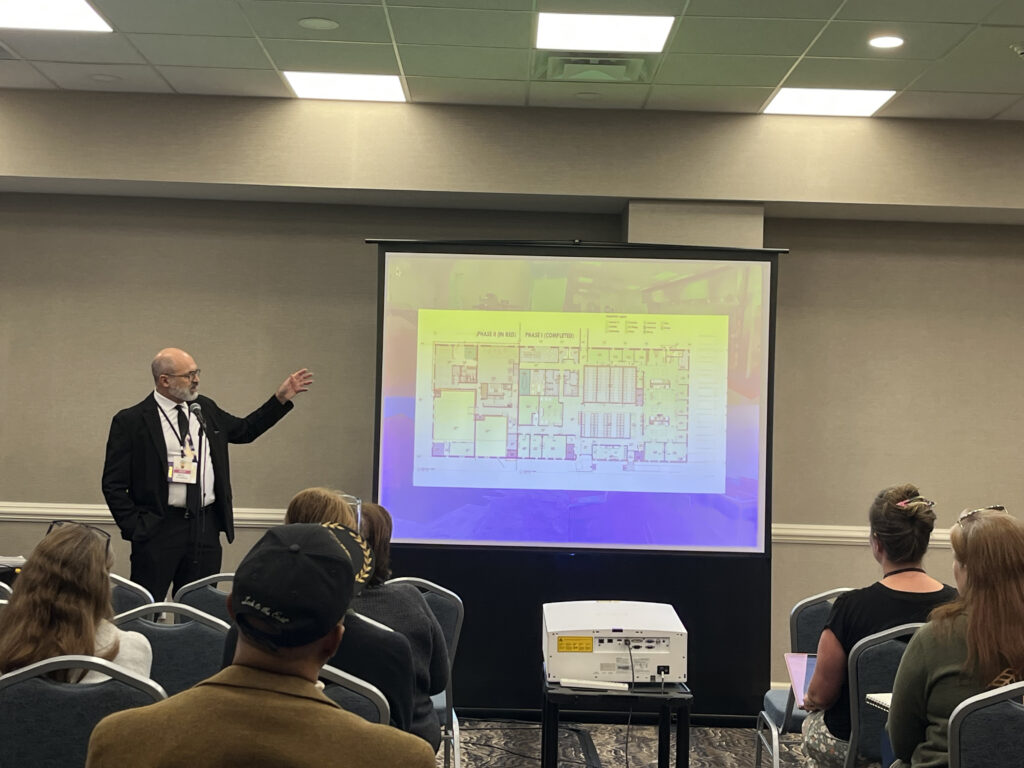
Improving Market Opportunities Through Co-Manufacturing and Co-Packing Services
Speakers: Asa Bielenberg, Food Ops; Liz Buxton, Western MA Food Processing Center; Kevin Dougherty, CommonWealth Kitchen; and Matt Inniger, CIFT / Ohio Department of Development
Moderator: Emily Paul, Food Works Group
Because it is a natural extension to a shared use kitchen, co-manufacturing and co-packing is always a hot topic at our Summit. This breakout session brought together some of the most experienced co-manufacturers and production experts in the country to illuminate one of the fastest-growing opportunities in the shared kitchen industry: helping brands scale through co-manufacturing and co-packing services.
For many operators in the room, this session answered questions they had been carrying for years, while sparking new ideas for how their kitchens might evolve to meet the needs of emerging CPG companies, helping extend the customer journey and generate revenue opportunities for the kitchen.
The presenters clarified the difference between co-manufacturing (producing and packaging the product) and co-packing (changing formats, such as moving from bulk to consumer-ready packaging), and they described the national bottleneck facing emerging businesses. Mid-sized manufacturing options are limited, large co-mans are often inaccessible, and many brands outgrow shared kitchens before they can afford the next stage. This gap presents a major opportunity for shared kitchens looking to expand their services or partner with regional processors.
They walked through the typical evolution of a food business, discussed operational requirements, and explored revenue models that make co-man services sustainable, from shift-based pricing to tolling structures. The conversation around risk management and “last touch” liability was especially eye-opening for many operators.
The final segment focused on assessing community readiness, using questions such as:
- Are food businesses in your region actively seeking manufacturing support?
- Do you have one or two “anchor” businesses that could bring steady demand?
- Are your entrepreneurs producing at volumes that justify co-man services?
- What regional manufacturers, food hubs, universities, or processors could partner?
- Can your facility scale up raw material storage? Packaging storage? Finished goods storage?
This section resonated with operators who are starting to see members outgrow their spaces but do not yet have a clear next step.
The presenters shared examples of how schools, pilot plants, food hubs, and established co-mans can collaborate with shared kitchens to create a regional manufacturing pipeline — helping entrepreneurs take meaningful steps toward wholesale, grocery, and new markets.
Food Forward: Consumer Trends and Supporting Emerging Brands
Speakers: Holly Long, Specialty Food Association; Sarah Masoni, OSU Food Innovation Center; and Mark Holland, Kitchen Incubator of Chattanooga
This session dug into the latest consumer-driven shifts impacting food businesses today. Speakers discussed the growing demand for values-driven foods, the rise of dietary-specific brands, and the importance of kitchens supporting makers in understanding market fit. They also introduced strategies for helping entrepreneurs test new ideas, refine their product concepts, and build brand stories that resonate with evolving consumer expectations.
Operators left with insights into how to shape their kitchen’s offerings, equipment, and mentorship to better meet the needs of emerging CPG and specialty brands. For more information about the Specialty Food Association’s Maker Prep Course here.
Resource Happy Hour at Five Iron Golf: Connecting, Playing, and Powering the Ecosystem
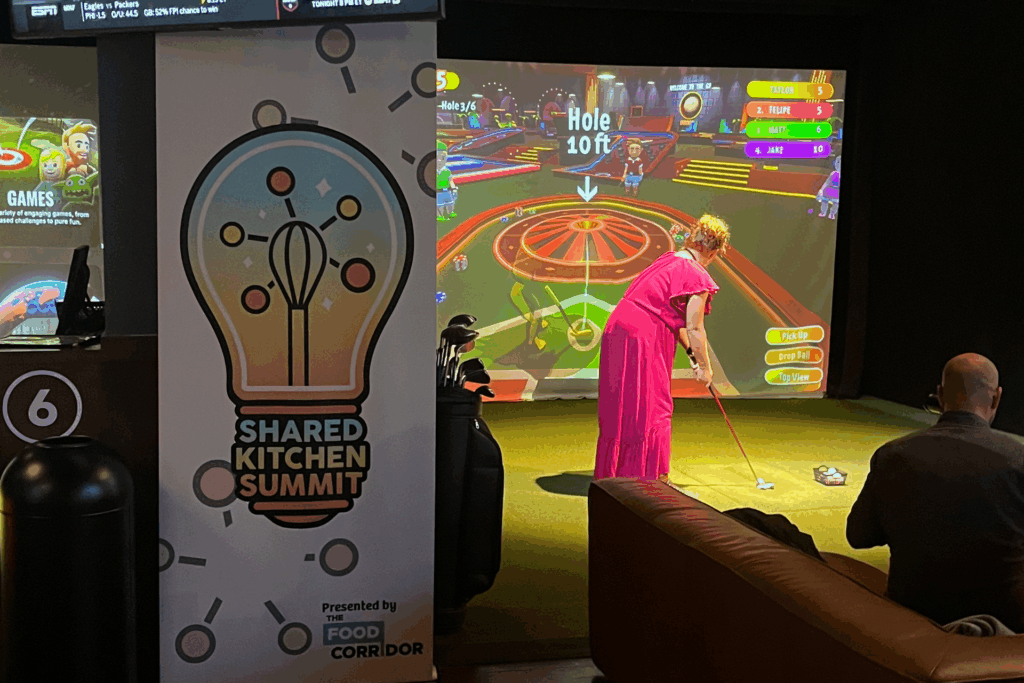
After a full day of sessions, attendees made their way to Five Iron Golf for our annual Resource Happy Hour — a lively mix of golf simulators, networking, sponsor meet-and-greets, and much-needed time to unwind. As soon as people walked in, the energy shifted from “conference mode” to “community mode.”
Golf swings were attempted (some successfully), drinks were shared, and conversations sparked that we know will fuel collaborations long after Cleveland.
This wasn’t just a social hour — it was a strategic connection point for the entire shared kitchen ecosystem.
Why This Happy Hour Matters
Shared kitchens thrive on partnership: lenders, certifiers, marketing experts, technology providers, co-manufacturers, regional food business centers, and more. Five Iron gave attendees a low-pressure, high-energy space to talk directly with the companies that help make their work possible.
And attendees loved it:
“Day 1 was filled with great information and energy — and the happy hour was great! It was good to be able to unwind with my new peers.”
“The happy hour was a highlight for Sensor Check. Thank you!”
“Happy hour was a great way to wind down — and the food was great!”
For many operators, it was the first moment in a long time to exhale, reset, and build relationships without the pressure of a formal agenda.
A Spotlight on Our Sponsors
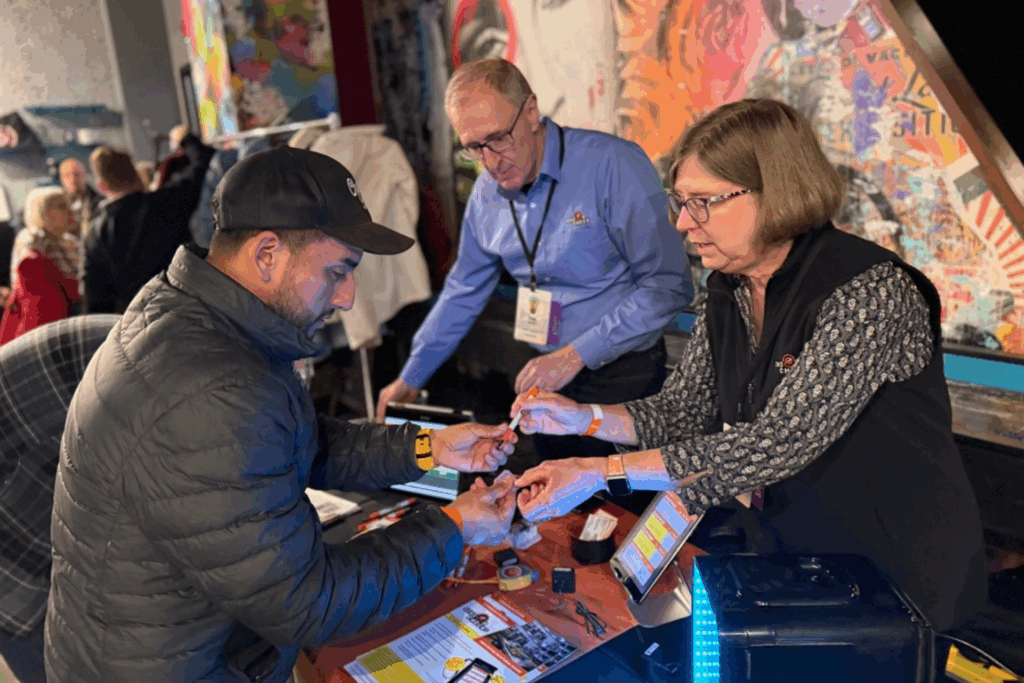
This Summit would not have been possible without the generous partnership and unwavering support of our 2025 sponsors:
Summit Sponsors – La Cocina, Specialty Food Association, NWRM Regional Food Business Center, CentroVilla25
Happy Hour/Celebration Sponsors – Sensor Check, ButterflyMX, FLIP (Food Liability Insurance Program), Paul Designs Project, RangeMe, Food Truck Expo
Marketing and Logo Sponsors – Food Works Group, Mechanism, Manage My Market, Farmers Market Pros, Roaming Hunger
Each of these partners plays a critical role in strengthening the shared kitchen ecosystem — from providing insurance, safety tools, and marketing support, to offering co-manufacturing expertise, regulatory guidance, and entrepreneurial resources.
The happy hour created the perfect space for real, human conversations between operators and sponsors. Because as many attendees noted, talking face-to-face beats email every time:
“It opened my eyes to new ideas, approaches, and resources — and reminded me that there is purpose in what we do.”
“Great chance to meet and talk more at the happy hour.”
Some attendees wanted even more time with sponsors (a great problem to have), and we’re already thinking about how to make that experience even richer next year. If you are interested in sponsoring the Shared Kitchen Summit and networking with this unique community, reach out! We would love to partner with you.
“The Shared Kitchen Summit is an invaluable gift for our emerging industry where operators and owners can exchange best practices, learn about new technologies, and make vital connections.” — Paul Stephen, Clarence Creative Kitchen
Day 2 Learning Continues: Branding, Financing, Circular Economies, Member Insights, and Retail Readiness
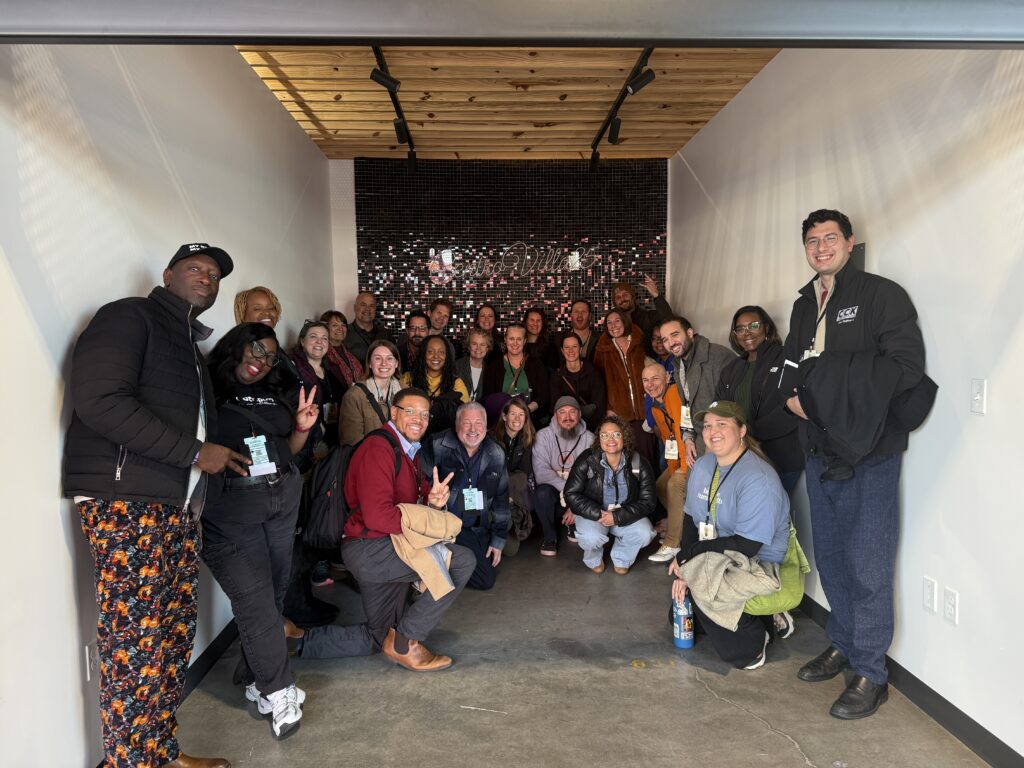
Across three days, attendees dove into sessions that combined strategic insight with practical, immediately usable tools. Many operators told us these conversations were the most comprehensive and relevant lineup they had ever seen at the Summit. As one attendee put it, “Sometimes it was hard to pick which session you wanted because they were all so good.”
Here are just a few highlights from Day 2’s content.
Branding That Sticks
Speaker: Katie Melnick, Fizz Creative
With her signature creativity and grounded practicality, Katie Melnick helped operators rethink their brand presence through the eyes of food entrepreneurs. She walked through how color, typography, visual hierarchy, and tone of voice influence trust, and she encouraged kitchens to consider the emotional experience of their brand just as much as the visual one.
Katie also used examples from Fizz Creative’s work with Cleveland makers to show how a strong brand can help an entrepreneur feel “seen,” welcomed, and supported. The session was fun, energizing, and full of ideas that kitchens can put into practice right away. One attendee said it simply: “Fizz was so fun to be a part of their session.”
Stop the Silo
Speaker: Julius Buzzard, Growing Hope
Julius delivered a standout session on building circular economies through shared kitchens — one of the most resonant themes of the Summit. He shared examples of real kitchens that are redistributing surplus ingredients to reduce waste, coordinating group purchasing to improve margins, and designing community-led programming that strengthens the whole ecosystem.
His framework connected environmental responsibility with economic resilience, illustrating how kitchens can become hubs of shared opportunity when operators choose collaboration over isolation. Attendees said this session helped them understand “how collaborative the industry really is because the industry is about helping people.”
More Than Just a Survey: Using Data to Guide Decisions
Speakers: Holly Fowler (Northbound Ventures), Gretchen Moran (The Culinary Square), Dr. Dawn Thilmany (Colorado State University), and Rebecca Wasserman-Olin (Colorado State University)
This session became an unexpected favorite for many operators, transforming the idea of “data collection” from a chore into a powerful strategic tool. The speakers walked through real examples of how kitchens across the country are using data to design better spaces, improve member experiences, attract investment, and raise their profile in economic development circles.
To make the concepts relatable, the presenters framed the journey of a new shared kitchen like a nautical adventure. Some kitchens are “hearing the sirens and starting the first conversations,” others are “ready to set sail,” while some have “unearthed buried treasure” through early data collection. And a few are “launched and searching for their forever harbor” as they continue refining their operations.
They shared a compelling example from a real operator who surveyed 45 food businesses in seven weeks. The results revealed that 91 percent were ready to start using a shared kitchen within a year. Those businesses represented a combined two million dollars in annual gross sales — enough demand to validate the business model, guide site selection and design, and even help attract anchor tenants. One operator said these insights opened new doors with economic development agencies, city leadership, and resource partners because the data provided instant credibility.
The session also highlighted early findings from the pilot Kitchen Member Survey, which gathered responses from more than 100 food businesses across 28 states. The results were powerful:
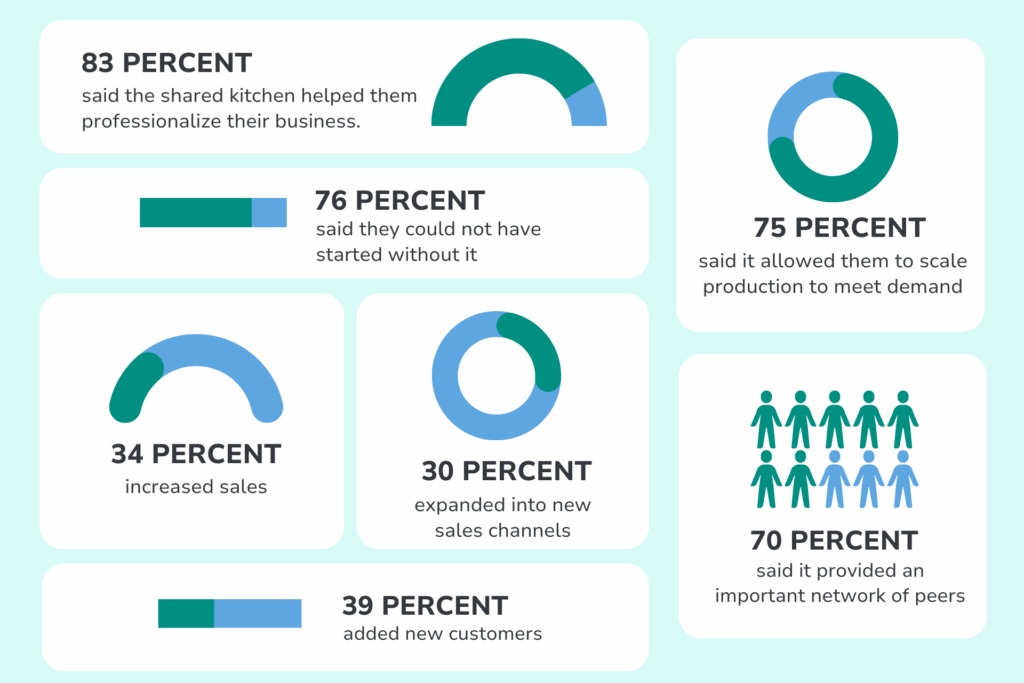
These insights gave operators new language and data they can use when talking to funders, policymakers, and local partners about the true economic impact of shared kitchens.
One attendee captured the feeling in the room:
“I really enjoyed and appreciated the presentation about data-driven kitchens. Now I see how useful it is.”
The presenters also introduced a new way of thinking about kitchen “types,” based on service breadth, operational stability, reservation flexibility, number of users, health certifications, and social mission orientation. This framework helps kitchens understand where they fit, how they compare, and how they can articulate their work to economic development partners who may not yet understand the complexity of the sector.
The session closed by asking operators a powerful question:
What could you unlock if you had a national member survey for your own kitchen?
By the end, it was clear to everyone that data is not just about accountability. It is a tool for clarity, expansion, and impact. The Food Corridor is taking the learnings back to develop ways to increase the survey reach and distribution on behalf of the industry. Stay tuned for a webinar on the topic in 2026 and check out the 2025 survey data here.
“After the Summit, I feel renewed and re-inspired. I walked away with actionable insights on making our programs stronger and more sustainable.” — Liz Buxton, Western MA Food Processing Center
Taking the Summit on the Road: Cleveland Bus Tour
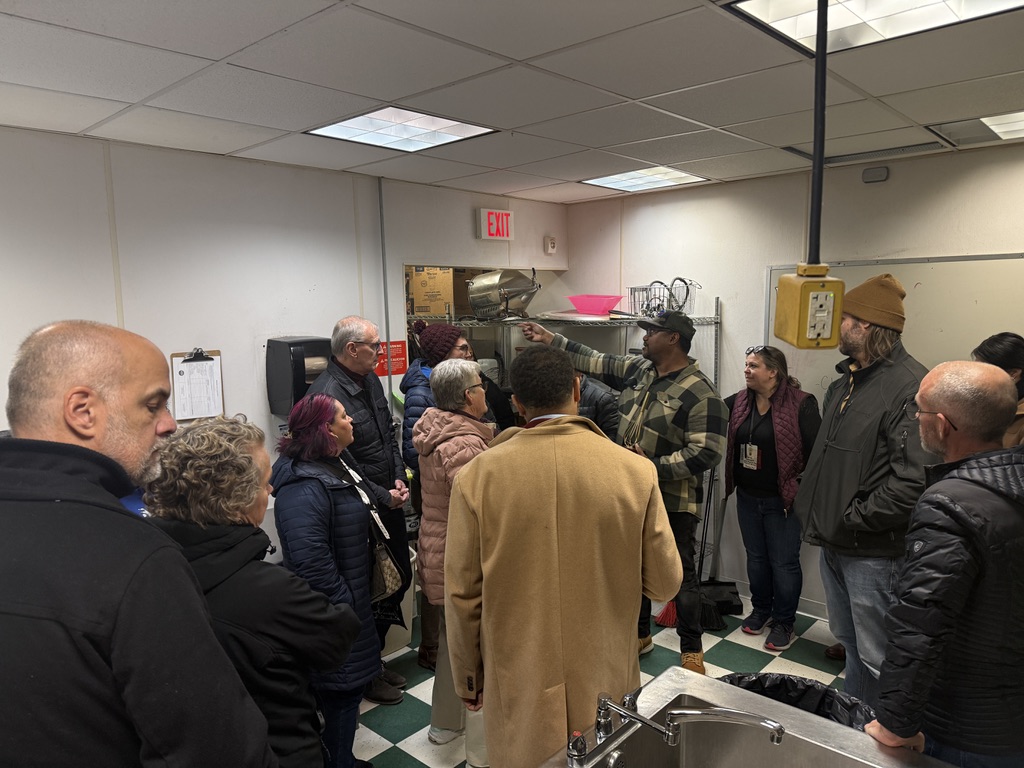
One of the Summit’s most beloved traditions is the annual bus tour—a hands-on opportunity for operators to step inside real facilities and learn directly from the spaces shaping the host city’s food economy. This year’s tour blended delicious food, operational insights, and big inspiration across four remarkable stops.
But first… lunch.
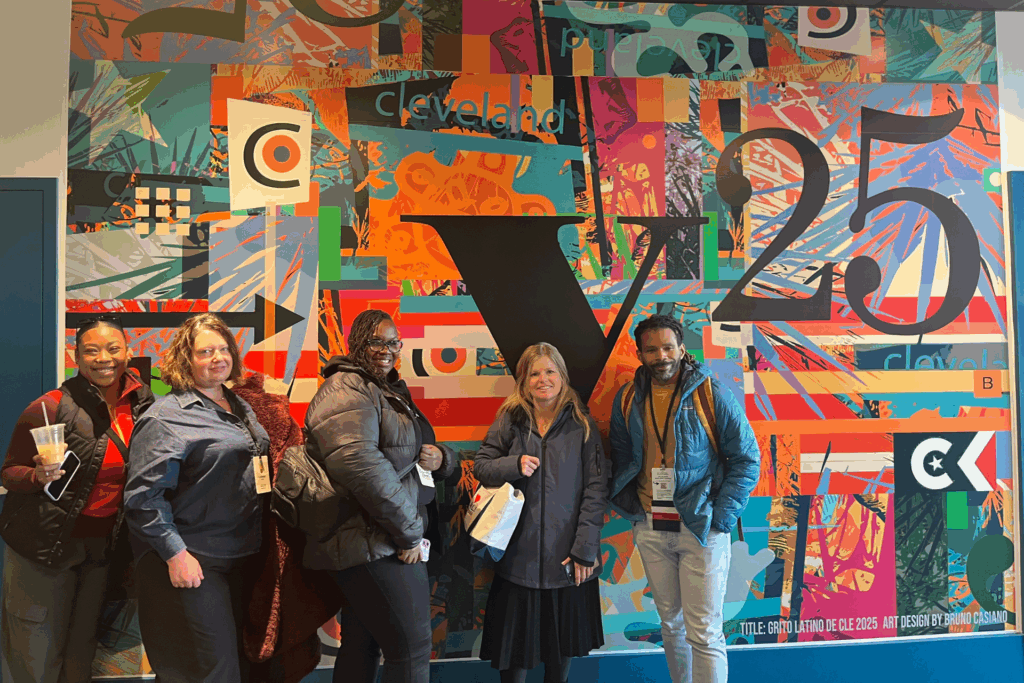
Our tour kicked off at CentroVilla25, where attendees enjoyed a catered lunch from their vendors and learned about the organization’s mission to uplift community, culture, and commerce. CentroVilla25 is developing a vibrant mercado and entrepreneurial hub to create economic opportunity, cultural celebration, and neighborhood revitalization. It was the perfect launching point for an afternoon of discovery.
🧀 Ohio City Pasta
Known for crafting handmade, fresh pasta since 1990, Ohio City Pasta invited attendees into their production facility for a rare, behind-the-scenes look. Their commitment to premium ingredients and traditional techniques showcased how a specialty producer maintains consistency, quality, and scale within a shared-use environment.
🍽 Prep Kitchen-CLE
Located in the Flats of downtown Cleveland, Prep Kitchen-CLE is a flexible shared-use kitchen supporting caterers, bakers, food trucks, meal-prep companies, and CPG startups. With distinct workspaces—including the Chef’s Kitchen, Prep Kitchen, and Chef’s Table—the space represents how thoughtful layout and modular design can support entrepreneurs at every stage of growth.
🚀 Central Kitchen
Our final stop was Central Kitchen, winner of the 2024 Golden Whisk Incubator of the Year. As a launchpad for growing food brands, Central Kitchen delivers a full ecosystem of support through its Incubator, Accelerator, and Food Hub services. Attendees saw firsthand how co-packing, logistics, business development, and community-building come together to help entrepreneurs scale efficiently and sustainably.
Why the Bus Tour Matters
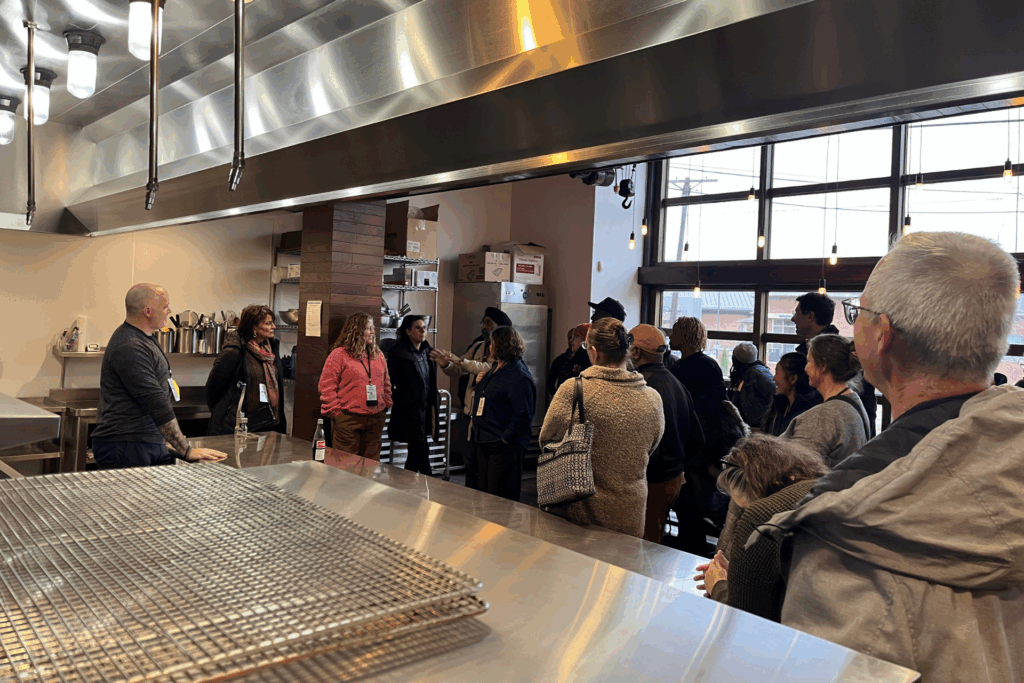
For many Summit attendees, the bus tour is the moment where ideas become tangible. It’s a chance to see:
- Real-world layout and equipment strategies
- Innovative operational workflows
- Community and mentorship models in action
- Diverse revenue streams and infrastructure
- Entrepreneurs navigating growth and impact
This year’s tour sparked lively discussions and takeaways that echoed throughout the Summit—shaping conversations about what’s possible for shared kitchens across the country.
And also, Bus #3 was the best!
“Attending the Shared Kitchen Summit was such a refreshing experience. I left feeling supported and part of a community that genuinely wants to see each other succeed.” — Sandra Martin, To Go Kitchen, LLC
Day 3: Building Culture, Building Kitchen, and Building Justice
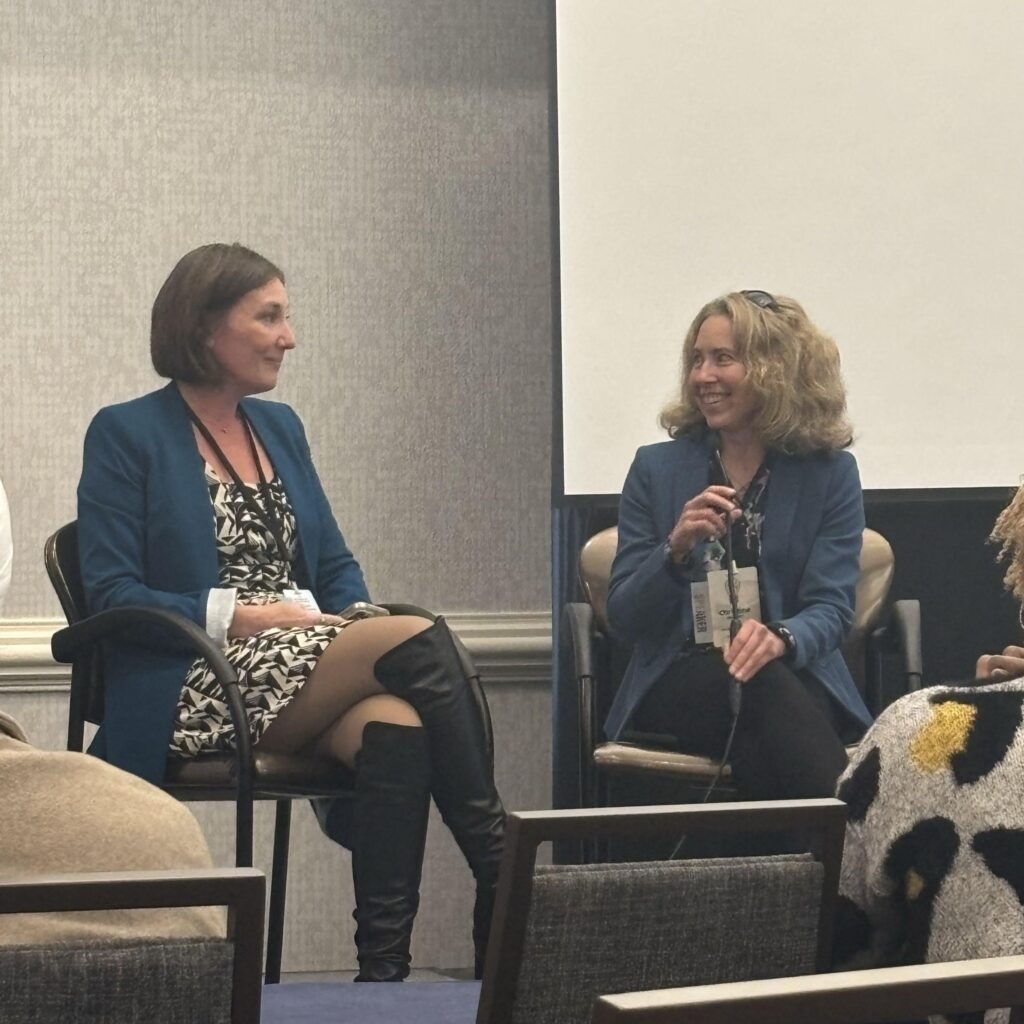
The final day brought the Summit back to the human core of shared kitchen operations. Many operators said Day 3 left them feeling grounded and supported, with tools they could apply not just to their operations, but to the relationships at the heart of their kitchens.
Here are some highlights.
Putting the Shared in Shared Kitchen: Lessons from La Cocina
Presented by: Naomi Maisel and Michelle Magat, La Cocina, San Francisco
This session from La Cocina quickly became one of the most meaningful and grounding conversations of the Summit. Drawing from more than 20 years of experience running one of the country’s most respected community-centered kitchen incubators, La Cocina shared what it truly means to “put the shared in shared kitchen.”
Their team began by grounding the room in who they serve: low- and very-low income women, immigrants, and BIPOC entrepreneurs who often enter the food industry with extraordinary talent, yet face structural barriers that keep them from accessing formal markets. For decades, La Cocina has created a pathway that transforms informal food sales into thriving, brick-and-mortar businesses. Their graduates have gone on to open more than fifty restaurants, earn Michelin recognition, launch national CPG products, and be featured everywhere from Bon Appétit to Chef’s Table.
What makes their model so powerful is not only the technical support they offer, but the community-centered philosophy that underpins every part of their program.
A Business Support Ecosystem, Not Just a Kitchen
La Cocina described their kitchen as a “business support ecosystem” where entrepreneurs do not grow alone. In their environment, peer mentorship is not accidental; it is designed into the fabric of daily operations. Businesses share equipment, time, and hard-won expertise. Newer entrepreneurs learn directly from those ahead of them, flattening the learning curve that so often discourages early-stage founders.
Their approach sparks collaboration in organic ways: joint products, shared catering gigs, pop-up markets, and collective problem-solving. In La Cocina’s experience, this kind of ecosystem does not just create better businesses. It creates higher retention, stronger facility operations, and a deeper sense of belonging.
Community Support and Identity
La Cocina spoke openly about how the community holds entrepreneurs through the inevitable highs and lows of food entrepreneurship. For many of their participants, cooking is not only a business. It is cultural identity, storytelling, and a way to show up for their families. A shared kitchen that allows entrepreneurs to bring their full cultural selves to their work helps sustain them for the long term.
Conflict Resolution as a Community-Building Tool
Few shared kitchens discuss conflict as openly and intentionally as La Cocina. Their team walked through a detailed and honest conflict resolution framework. It begins with transparent reporting, includes investigation and independent mediation when needed, and prioritizes restoring community morale through follow-up and accountability.
They emphasized that conflicts in shared kitchens are unavoidable, especially when many businesses work under pressure in close quarters. What matters is having a culturally sensitive, clearly articulated plan that keeps the community intact.
A Global Source of Inspiration
La Cocina also shared how their work has become a model sought out not just across the United States, but internationally. From New Zealand to South Africa to Lebanon, organizations have looked to La Cocina as they build or refine their own community-centered kitchen programs. Their message was clear: community-focused kitchens can and do change what is possible for entrepreneurs who have been historically excluded from opportunity.
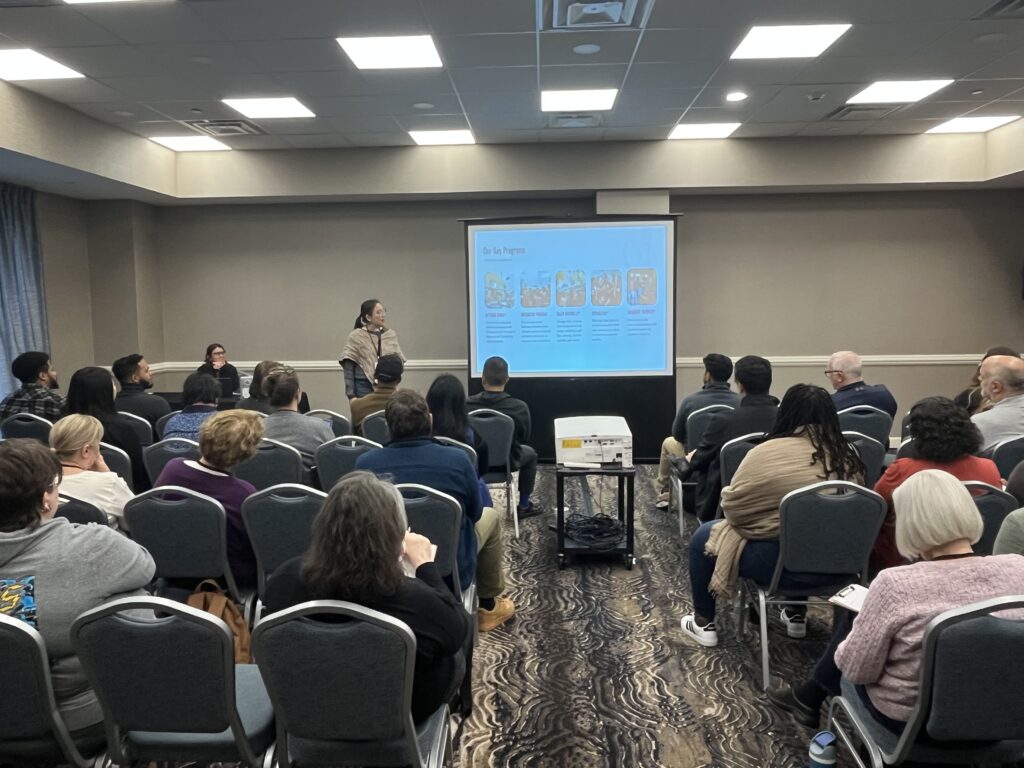
The session reminded everyone in the room that shared kitchens are more than infrastructure. They are vehicles for economic mobility, cultural preservation, and community resilience when built with intention and heart.
Safe and Savory
Speakers: Jacob Freisthler and Bob Kramer, ECDI-Food Fort, and Gina Nicholson Kramer
The Summit would be remiss to not address the role of food safety in a shared space. This year Safe & Savory was a practical, actionable session on food safety that resonated strongly with the room. Presenters walked operators through FSMA expectations, documentation systems, staff training, equipment-specific SOPs, and preventative safety strategies that keep kitchens running smoothly.
The Food Corridor’s newly updated Operations Manual for shared kitchens now aligns with the latest FDA guidance, includes brand-new tracking templates, and provides plug-and-play policies to avoid health department violations. If you are just getting started in this industry and need a kitchen reset, don’t pass up the opportunity to purchase the manual.
This session resonated strongly with the room. Attendees said it gave them clarity and confidence heading into 2025. One wrote,
“Safe & Savory was incredibly helpful. Practical and confidence boosting.”
It was the perfect close to a week centered on strengthening the foundations that make shared kitchens safer, smarter, and more sustainable.
Beyond the Kitchen: A Justice-Driven Model for Entrepreneurship
Speakers: Tammy T. Thompson, Founder & CEO, Lachelle Bell, Director of Entrepreneurship & Event Management, and Nissa’a Stallworth-Hewitt, Commercial Kitchen Manager, Catapult Greater Pittsburgh
One of the most powerful moments of Day 3 came from Catapult Greater Pittsburgh, whose session invited operators to look beyond the walls of their kitchens and consider what it truly means to create pathways to economic justice.
Tammy Thompson and her team shared the heart behind Catapult’s work: a commitment to ensuring that systematically disenfranchised communities can meaningfully achieve economic security, build wealth, and lead dignified, self-determined lives. Their mission is deeply rooted in trauma-informed support, peer mentoring, advocacy, and the belief that entrepreneurship can be a healing force when approached with compassion and intention.
Their program, Catapult Culinary, is a six-month accelerator created specifically for minority food entrepreneurs. Participants receive industry-focused training, technical assistance, mentorship, and, upon completion, the opportunity to incubate their business in Catapult’s commercial kitchen. Entrepreneurs move not just from ideas to execution, but from hope to ownership.
Their model is intentionally:
- Completely free for participants
- Trauma-informed at every stage
- Designed to build both confidence and capacity
- Supported by more than $500,000 invested directly into entrepreneurs
Catapult blends traditional business metrics with “data that has depth,” capturing stories, reflections, and lived experiences in addition to revenue and job numbers. Their presentation closed with a clear message for every operator in the room:
Shared kitchens can be platforms for justice.
Dream It. Build It: Designing a Shared Kitchen from the Ground Up
Presented by Paul Lewandowshki, Founder and Lead Architect and Jacob Green Operations Manager, Paul Designs Project
This Day 3 breakout gave operators a practical, easy-to-follow roadmap for planning and building a shared kitchen facility from actual architects. The session walked through the entire development journey from early ideation and predesign to schematic layouts, construction documents, and final occupancy, using simple visuals to show what decisions happen at each stage.
A key takeaway was that success starts in the predesign phase. This is where operators should clarify their program needs, square footage, room types, equipment requirements, and budget assumptions before bringing on a full design team. The sample program layouts highlighted just how many components a modern shared kitchen can include, from production kitchens and storage to teaching spaces and small retail footprints.
The session also simplified budgeting, noting that construction costs add up quickly and that operators should factor in both hard and soft costs when estimating total project investment.
Case studies from real kitchen builds reinforced the main message. Start early, plan deeply, and invest in predesign to avoid expensive surprises and create a facility that actually works for your entrepreneurs and your community.
This session left many operators feeling more confident about dreaming big and building smart.
“The sessions were packed with practical insights, from operations and revenue diversification to branding, partnerships, and funding opportunities. I left feeling energized, informed, and far more confident in the next steps for my own kitchen project. This event is a must-attend for anyone building or running a shared kitchen.” — Jobea Murray, Gather & Grow Kitchens
A Night to Remember: The Golden Whisk Awards at the Rock & Roll Hall of Fame
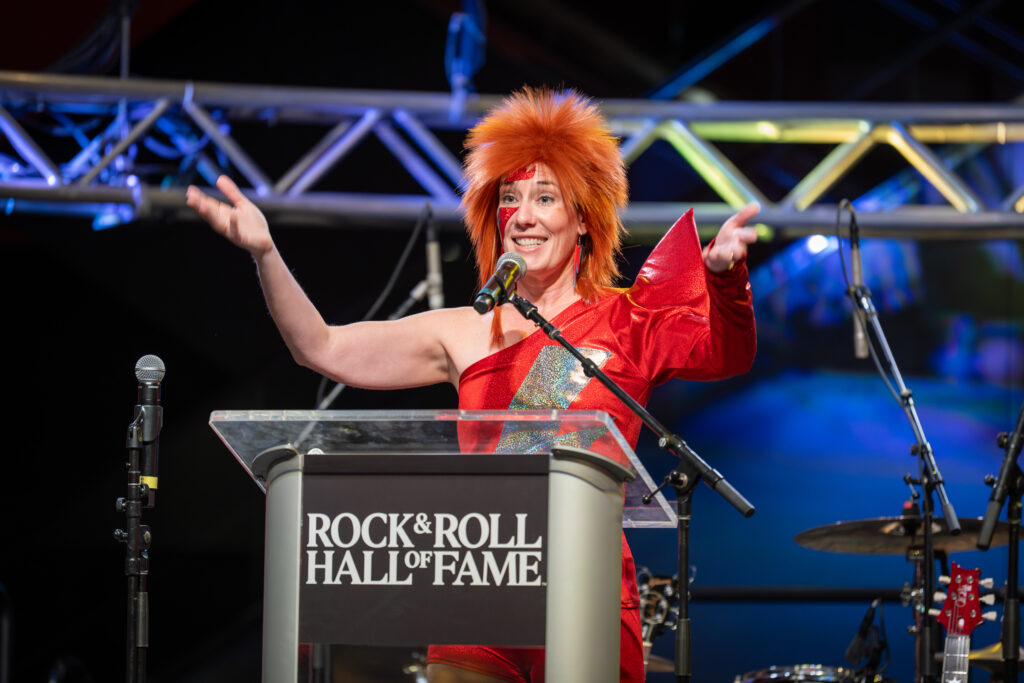
Summit week culminated in an unforgettable evening: the annual Golden Whisk Awards, presented at the iconic Rock & Roll Hall of Fame. There couldn’t have been a more fitting place to honor the rockstars of our industry.
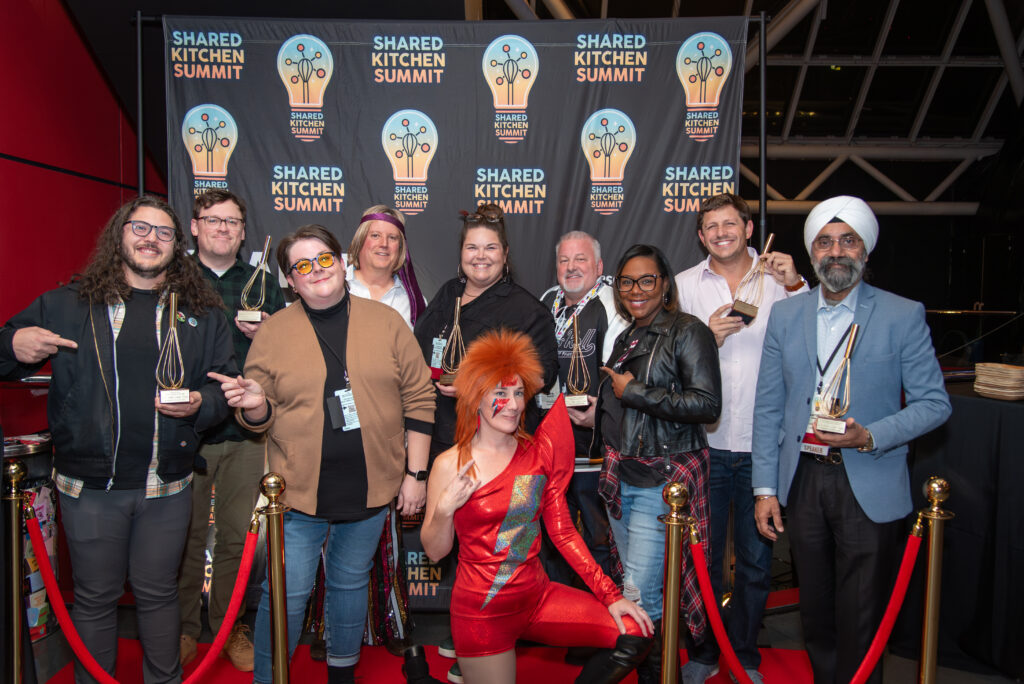
The Golden Whisk Awards recognize excellence across six categories: Shared Kitchen Industry Champion, Shared Kitchen Mentor, Community Impact, Innovative Marketing, Incubator of the Year, and the coveted Shared Kitchen of the Year.
The awards ceremony was electric—complete with a live performance from Match City, a packed dance floor, and a karaoke room that quickly became the stuff of Summit legend. The night was equal parts celebration, connection, and joy, reminding everyone that behind every spreadsheet and SOP is a community of humans building something extraordinary together.
“I wasn’t sure what to expect heading in to the Summit, but I feel like I found my people. I made so many good connections and met people on similar paths. I feel like I have a new way forward with my business.” — Christine Rasmussen, River Rock Kitchen and Baking Co.
Shared Kitchen of the Year
The pinnacle Golden Whisk honor. This category recognizes the shared kitchen that has set the highest bar for excellence. The winner exemplifies operational efficiency, client satisfaction, community building, and business innovation. This award celebrates a kitchen that not only manages its operations successfully but also makes a lasting impact on its clients and the wider food ecosystem.
Finalists:
- The Kitchen Table Santa Fe
- Catapult Greater Pittsburgh
- Square One Kitchen
- Sunshine Food Business Incubator Kitchen
- Wingman Kitchen (Winner!)
Kitchen Incubator of the Year
Honoring the most outstanding incubator driving entrepreneur growth. This category recognizes a shared kitchen that has excelled in nurturing food businesses through mentorship, access to resources, and fostering an environment for growth.
Finalists:
- Clarence Creative Kitchen
- Findlay Kitchen (Winner!)
- Food Fort – Economic & Community Development Institute
- Alchemist Kitchen
- Sussex County Kitchen Incubator
Shared Kitchen Industry Champion of the Year
Recognizing leadership, advocacy, and sector-wide impact. Awarded to an individual, organization, or partner that has made a significant contribution to the shared kitchen sector.
Finalists:
- Lisa Raiola, Hope & Main (Winner!)
- Sarabjit Sawhney, South Amboy Kitchen
- Corporation for Findlay Market
- Holly Fowler, Northbound Ventures
- Dawn Thilmany, Colorado State University
Shared Kitchen Mentor of the Year
This award honors an individual who has gone above and beyond in providing mentorship within the shared kitchen community. Through one-on-one guidance, workshops, and shared expertise, the winner has made a lasting impact on the next generation of shared kitchen operators.
Finalists:
- Anthony Florig, Hawaii Commercial Kitchens
- Mark Holland, Kitchen Incubator of Chattanooga
- Natalie Shmulik, JPG Resources
- Zac Rheinberger, Ohio City Pasta
- Sarabjit Sawhney, South Amboy Kitchen (Winner!)
Community Impact Award
This award celebrates a shared kitchen or individual who has made a significant positive impact on their community. Whether through charitable programs, education, or efforts to address food insecurity, the winner exemplifies how shared kitchens can be powerful engines for community good.
Finalists:
- Magnolia Fund
- Kitchen Incubator of Chattanooga (Winner!)
- Findlay Kitchen
- Growing Hope Incubator
- Hands on Hartford
Innovative Marketing Award
This award recognizes a shared kitchen that has demonstrated exceptional creativity in its marketing, leveraging digital platforms, storytelling, partnerships, or unique strategies to elevate their brand. The winner stands out for ingenuity, engagement, and the use of fresh approaches to grow a thriving shared kitchen.
Finalists:
- Incubator Kitchen Collective (Winner!)
- Clarence Creative Kitchen
- Wingman Kitchens
- E.terra
- Spade Shared Kitchen
The Shared Kitchen Summit was absolutely incredible. It brings together a wildly diverse group of operators from around the country who are all genuinely focused on building stronger, more supportive food communities. No egos, no posturing; just smart, passionate people sharing ideas and cheering each other on. From the minute we walked in, we knew we’d found our people. We’re already counting down to next year! — Katie Melnick, Fizz Creative
A City That Showed Up
Cleveland’s hospitality shone throughout the event. Hotel and culinary teams delivered warm service and memorable meals, providing a true taste of the region. Their professionalism helped create a seamless experience for every attendee.
As one staff reflection captured it:
“When it started snowing on the first day, a lot of attendees joked about being in Cleveland in November, and started campaigning for a Hawaii Summit. As the Summit went on, especially during the bus tour, we could see the realization hit, and the tone shift. Cleveland is a food city. This is why we’re here. The dedication to supporting food entrepreneurs is apparent throughout the city. The midwest hospitality everywhere we went was genuine. Our Cleveland committee wanted to showcase what they already knew about their city, and I think everyone who attended our Summit will now think of Cleveland as a hub for local food innovation.” – Tyler Sangermano, Director of Special Projects, The Food Corridor
A Personal Reflection on the Summit
Heading into the Summit, I will admit I had my spreadsheet of worries. November weather. Government shutdowns. Airport delays and cancellations. People arriving tired, overwhelmed, or pulled in a hundred directions. I wondered if the universe would give us a curveball.
It turns out the only curveballs were at Five Iron Golf.
Five years into producing this Summit, it becomes more and more obvious how much this industry needs a place to gather. When the right people show up, the room fills itself. Conversations spark. Inspiration spreads. Someone shares an idea, someone else expands it, and suddenly you can feel the entire sector leveling up together.
Watching our team in Cleveland felt like watching a really tight band hit its stride. Everyone knew their part, everyone supported each other, and our core values — trust, collaboration, curiosity, service, and a little work-hard-play-hard — were on display in every hallway and session room.
Yes, producing this event is exhausting. But it is also the best kind of fuel. Every keynote, every “a ha” moment between operators, every late-night idea on a napkin (but where’s Jan!?) reminds us why we built this company and why we keep building.
If this Summit proved anything, it is that shared kitchen operators are not just running facilities; they are also building communities. They are building the future of food. And getting to be part of your backstage crew is one of the greatest honors of my career.
Thank you, Cleveland. Thank you to our sponsors and partners. And thank you to every operator who shows up with heart, humility, and humor. You make this movement what it is.
Here’s to 2026 — and to all the magic we will make together.
“The Food Corridor is the heartbeat of our kitchen operations. We gained invaluable insights on what we do and how we can do it even better within our community.” Jacob Freisthler, ECDI Food Fort

Looking Ahead: Momentum into 2026
If the energy in Cleveland taught us anything, it’s that this industry is gaining momentum. Shared kitchens continue to evolve as critical infrastructure for local food systems, economic development, and inclusive entrepreneurship. And as operators build stronger systems, adopt new tools, and collaborate more deeply, their impact will multiply.
We’re excited to carry this momentum into 2026—with new resources, deeper community connections, and the continued expansion of The Food Corridor ecosystem through The Kitchen Door, KitchenEDU, and The NICK.
To everyone who joined us in Cleveland: thank you for showing up with authenticity, curiosity, generosity, and heart. You are the reason this movement exists.
And to those who couldn’t make it: there’s a seat for you at the table next year.
Together, we’re building the future of food entrepreneurship—one kitchen, one operator, and one big idea at a time.